



The building blocks of healthy diets.
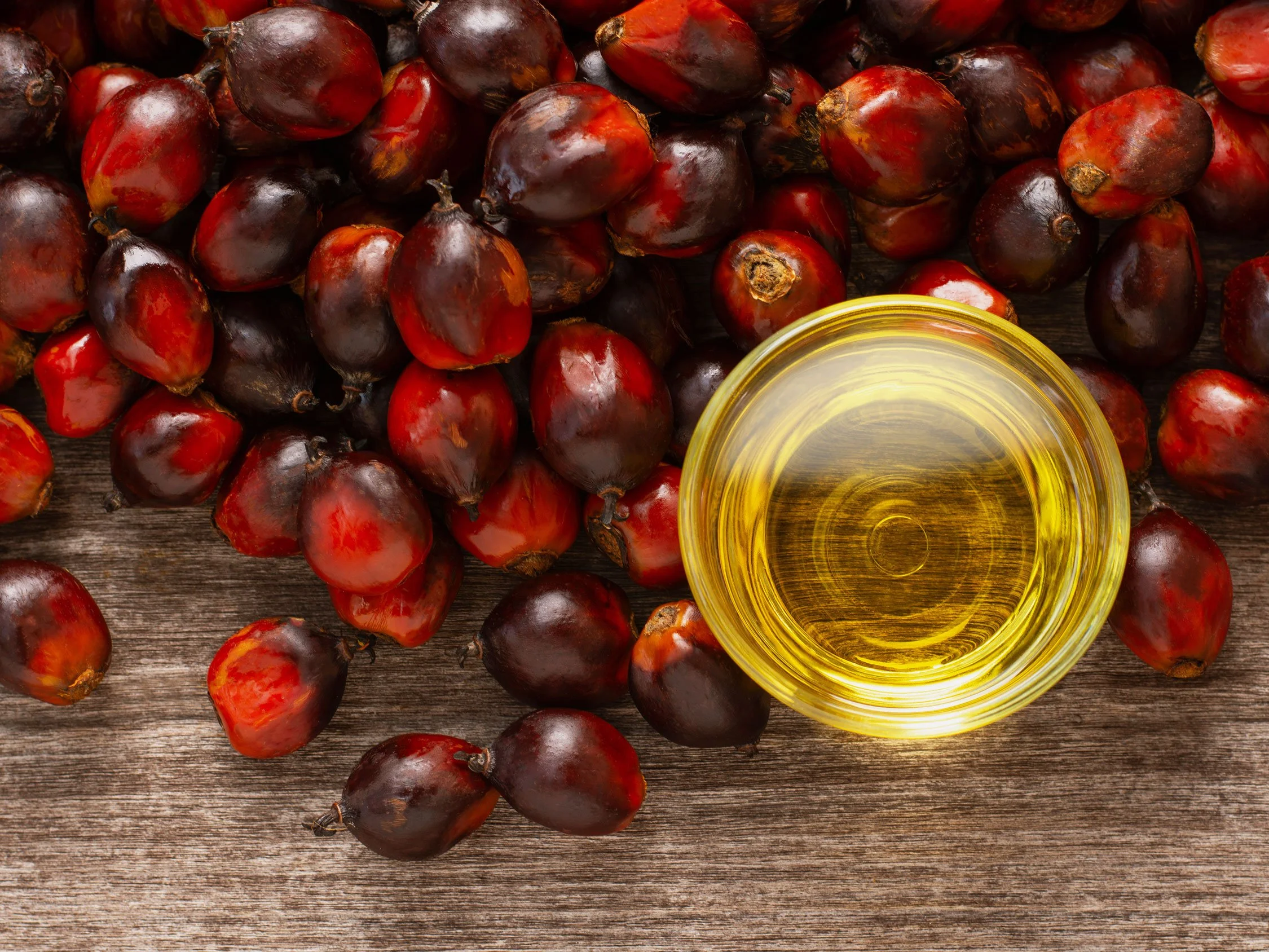
Discover the naturally occurring compounds found in palm.
What does research actually tell us about palm oil and health?
Understand what happens when oils reach the kitchen.
Did You Know?




Popular Questions
-
Multiple peer-reviewed studies ⁽¹⁾ ⁽²⁾ ⁽³⁾ indicate that palm oil has a neutral effect on blood lipid profiles. In healthy individuals, palm oil has been shown to produce similar effects as olive oil on total cholesterol, HDL, and LDL levels when consumed as part of a balanced diet, supporting its role in maintaining heart health.
-
Palm oil is naturally cholesterol-free and free of trans fats.
Because it comes from a plant, palm oil does not contain cholesterol. It is also naturally free of trans fats, as it is semi-solid at room temperature and does not need to undergo processes like partial hydrogenation, which can create harmful trans fats ⁽⁴⁾.
In addition, palm oil contains natural antioxidants, including vitamin E compounds such as tocopherols and tocotrienols, which are known for their beneficial properties.
-
Palm oil has a naturally balanced fat composition.
It contains about 50% saturated fats and 50% unsaturated fats, giving it a well-balanced profile. Its main saturated fat, called palmitic acid, is also commonly found in everyday foods such as butter, meat, breast milk, cocoa, dairy products, and even olive oil ⁽⁵⁾.
The remaining 50% consists of unsaturated fats, including about 40% monounsaturated fats (oleic acid, also known as omega-9) and 10% polyunsaturated fats (linoleic acid). These are the same types of fats found in many commonly used vegetable oils.
-
No, palm oil is naturally free of trans fats.
One of the reasons palm oil is widely used is because it is naturally semi-solid at room temperature. This means it does not need to go through partial hydrogenation - a process that creates artificial trans fats in some other oils.
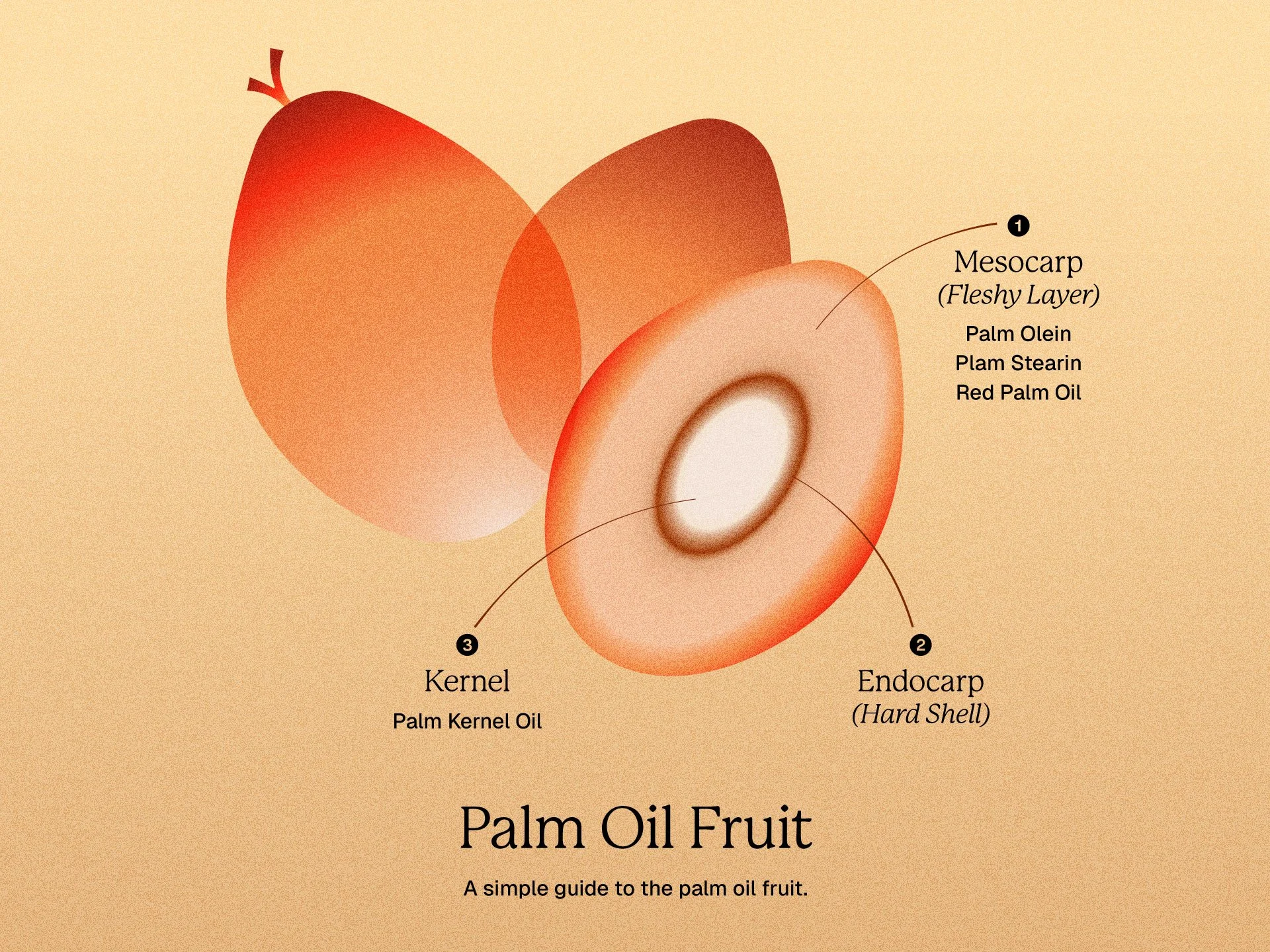
Palm oil can also be separated into solid and liquid portions. The solid part can then be blended with other oils to make products like margarine and other solid fats used in everyday cooking and food production.
-
Yes, palm oil naturally contains beneficial micronutrients.
In its crude form, palm oil is rich in vitamin E (including tocopherols and tocotrienols), as well as other naturally occurring compounds such as squalene, coenzyme Q10, phytosterols, and provitamin A carotenoids ⁽⁶⁾.
Mildly refined palm oil, also known as red palm oil, is especially rich in carotenoids, containing 15 times more than carrots and 50 times more than tomatoes by weight.
Latest Articles