Beyond Good and Bad Foods: Where Palm Oil Fits in a Balanced Diet
By Indra Balaratnam, Consultant Dietitian
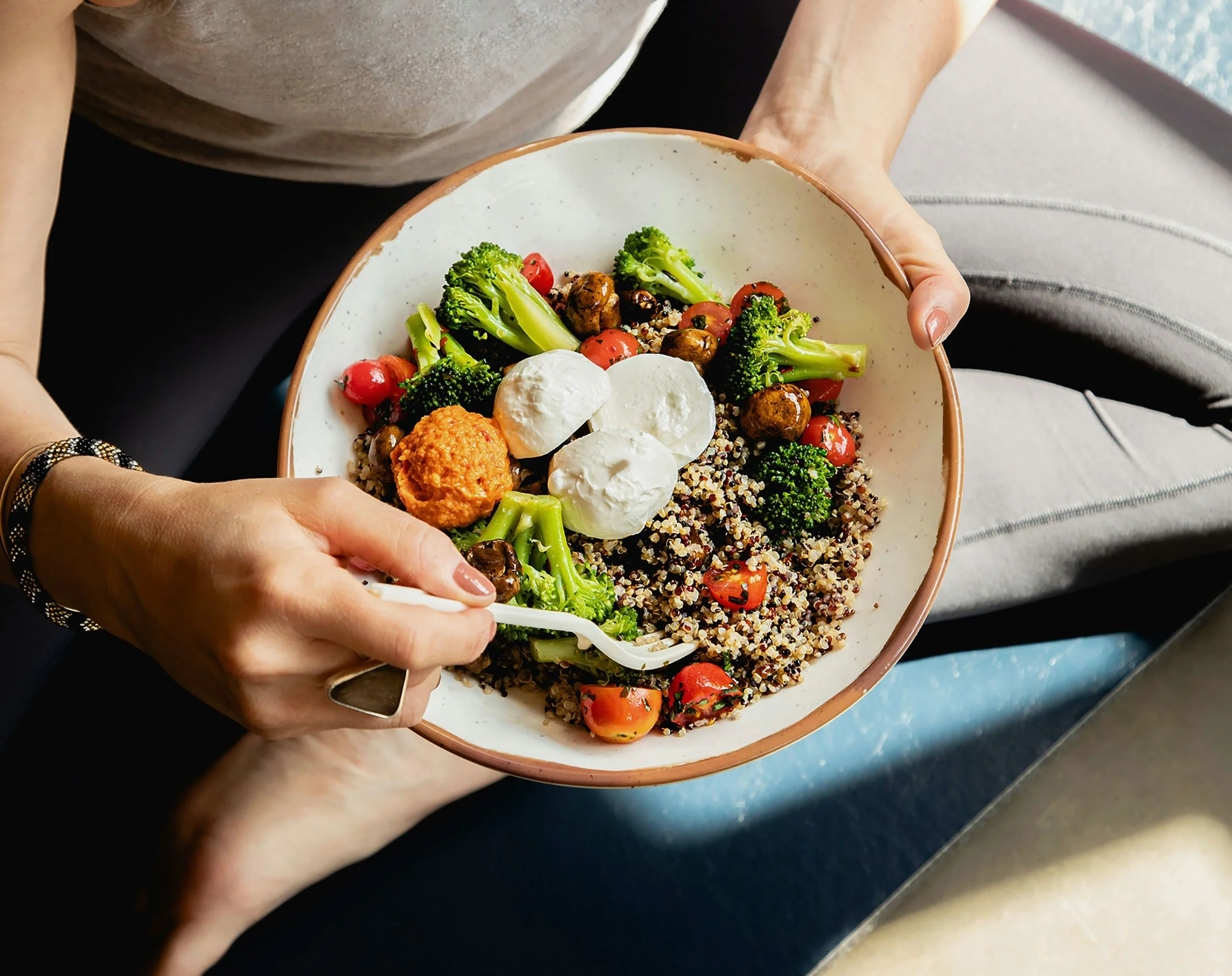
As a dietitian, I advocate that healthy eating is rarely about a single food or ingredient. Instead, it is about the overall pattern of what we eat every day. ⁽¹⁾ ⁽²⁾
Yet in today's nutrition conversations, foods are often simply labelled as either "good" or "bad." Palm oil is one example. While it has been the subject of debate, science tells a more balanced story. ⁽³⁾
When used as part of a balanced diet and in moderation, palm oil can have a place within healthy eating patterns. ⁽¹⁾ ⁽²⁾
Fat is an important part of a healthy, balanced diet
Fat is an essential nutrient that supports health throughout every stage of life. It provides energy, helps our bodies absorb important vitamins, and plays a role in normal growth, development and hormone function. ⁽¹⁾ ⁽⁴⁾
Current nutrition guidance does not recommend avoiding fats altogether. Instead, the focus is on consuming a variety of fats as part of a balanced diet. ⁽¹⁾ ⁽⁴⁾
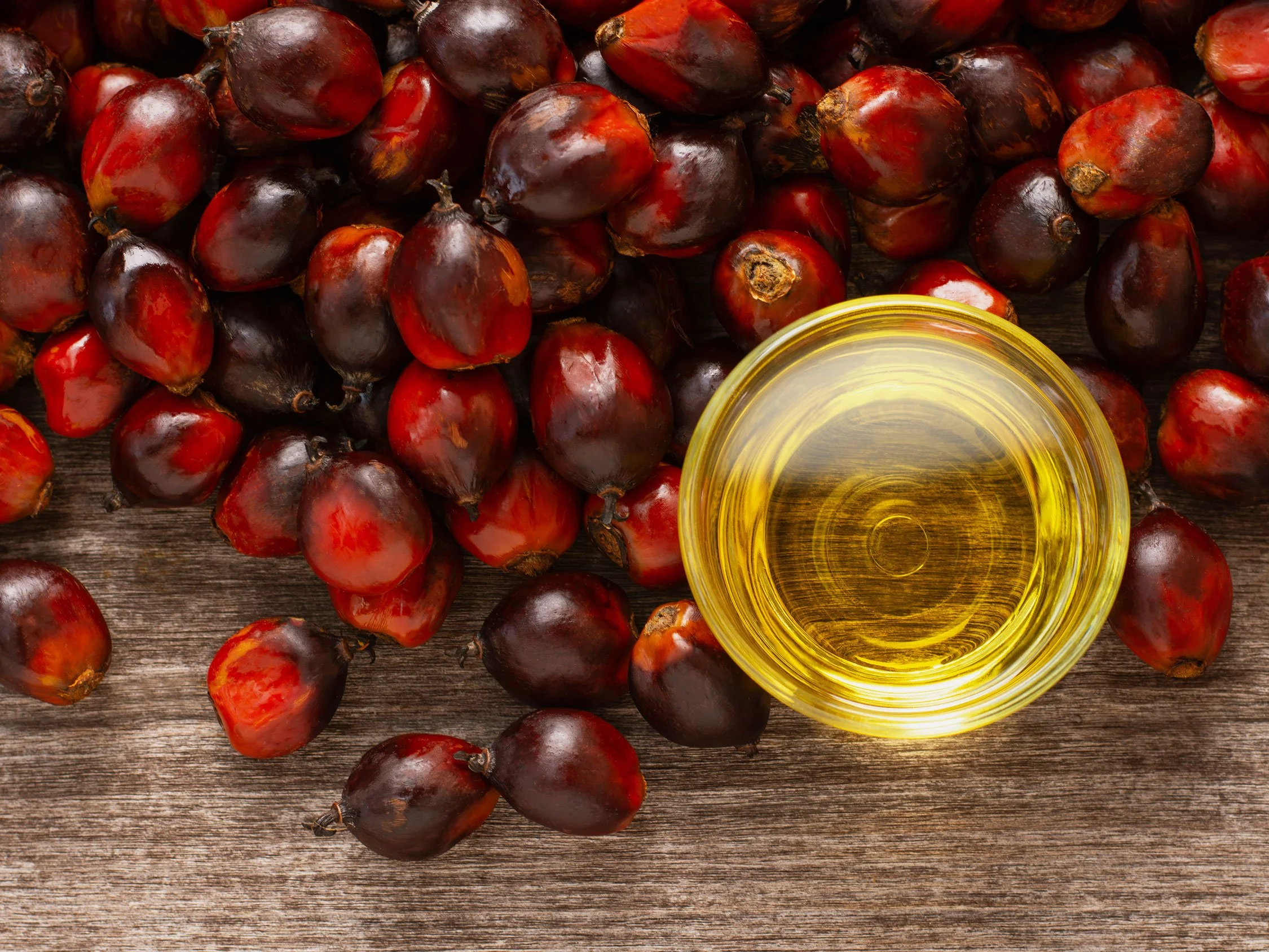
Palm oil contains a mix of saturated and unsaturated fatty acids and is naturally free of trans fats and cholesterol. ⁽⁵⁾ ⁽⁶⁾ It also contains naturally occurring compounds including tocotrienols (a form of vitamin E) and carotenoids (particularly in red palm oil), which have antioxidant properties. ⁽⁵⁾ ⁽⁷⁾
The key message is simple -- fats are not the enemy. What matters most is the overall quality and balance of the diet. ⁽¹⁾ ⁽⁴⁾

A balanced view of healthy eating
One of the biggest lessons from modern nutrition science is that no single food determines our health. ⁽¹⁾ ⁽²⁾
Research consistently shows that healthy dietary patterns made up of vegetables, fruits, whole grains, legumes, quality protein sources and appropriate amounts of healthy fats support long-term wellbeing. ⁽¹⁾ ⁽²⁾
For example, a meal of vegetables, fish and wholegrain rice cooked with a modest amount of oil, including palm oil if preferred, can be part of a nutritious diet. The bigger picture matters far more than focusing on one ingredient in isolation. ⁽¹⁾ ⁽²⁾
Healthy cooking matters too
Speaking of cooking, nutrition is not only about what we eat but also how we prepare our food.
Healthier cooking methods include steaming, grilling, baking, stir-frying and sautéing. ⁽¹⁾ Palm olein, commonly used in Malaysian kitchens, is valued for its cooking functionality and oxidative stability due to its fatty acid profile and naturally occurring antioxidants. ⁽⁶⁾ ⁽⁷⁾
However, healthy cooking practices remain important. Avoid overheating oil, repeatedly reusing oil, or relying too heavily on deep-frying when preparing your foods. ⁽¹⁾ ⁽⁶⁾
What this looks like on a Family’s Plate
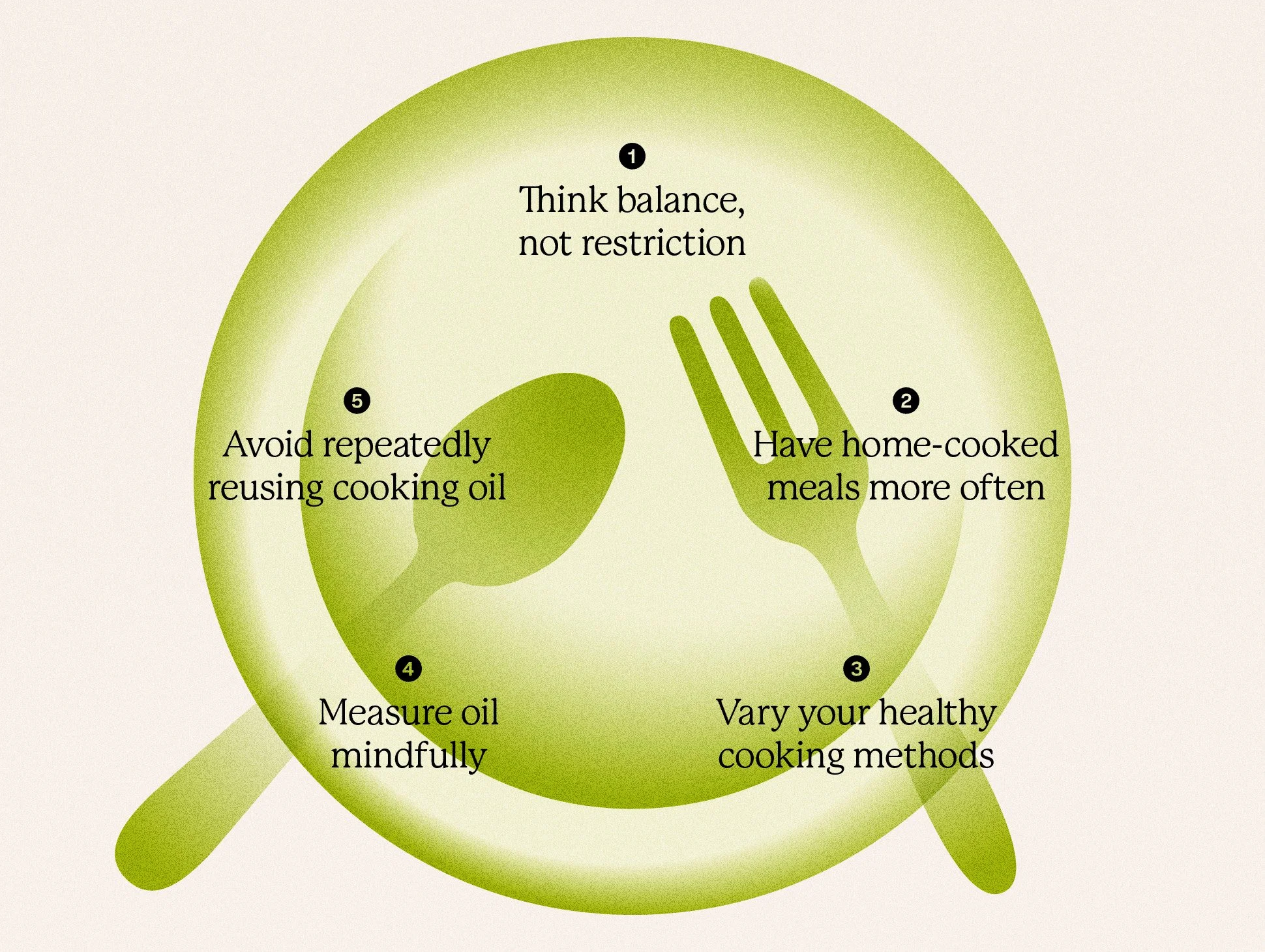
Healthy eating should be practical, realistic and most of all enjoyable. Here are some ways families can incorporate palm oil as part of a balanced diet:
-
Rather than focusing on avoiding specific foods, build balanced meals with a variety of foods in moderation ⁽¹⁾ ⁽²⁾. A simple guide to put this into perspective is to follow the Malaysian Healthy Plate recommended by the Ministry of Health Malaysia. Fill half your plate with vegetables, one quarter with lean protein such as fish, chicken, eggs, tofu or beans and one quarter with whole grains or other quality carbohydrate food sources.
-
Cooking at home gives us greater control over the quality of ingredients and amount of oil, salt and sugar we use ⁽¹⁾. It also makes it easier to include more healthful ingredients such as colourful vegetables and fruit, healthier protein choices and whole grains into your everyday meals.
-
Palm oil is versatile for different cooking methods. Use it to stir-fry your dishes, to infuse the herbs and spices when you marinate foods before cooking them in the oven or air-fryer or even use it to make a dressing for refreshing salads. Including some dietary fat in meals helps with the absorption of fat-soluble vitamins ⁽⁴⁾.
-
One tip I often recommend which my clients find helpful, is using a tablespoon rather than pouring oil directly from the bottle. This helps families manage portions while still enjoying the benefits and flavour that cooking oils provide.
-
Repeated heating can affect the quality of any cooking oil (6). Using fresh oil as needed and avoiding multiple rounds of reheating it are simple practices that support better quality of your cooked dishes ⁽⁶⁾.
So as you can see, the question is not whether palm oil is a "good" or "bad" food. A more helpful perspective is to consider how palm oil fits into your overall dietary pattern. ⁽¹⁾
Current evidence suggests that palm oil can be included within a balanced eating pattern when used in moderation and combined with healthy cooking practices, while maintaining recommended limits for saturated fat intake overall. ⁽¹⁾ ⁽⁴⁾
As a dietitian, my role is to help people move beyond seeing foods simply as “good” or “bad” and make informed choices based on evidence. Healthy eating is not about perfection; rather it is about balance, variety and sustainable habits that support health and good nutrition for the long term.

ReferenceWorld Health Organization (WHO). Healthy Diet – Fact Sheet. Updated January 2026. (World Health Organization)
Practical dietary recommendations aligned with WHO healthy diet guidance and standard clinical dietetic counseling frameworks. (World Health Organization)
Voon PT, Ng CM, Ng YT, et al. Health Effects of Various Edible Vegetable Oil: An Umbrella Review. Advances in Nutrition. 2024.
(Independent peer-reviewed umbrella review synthesizing evidence across vegetable oils.) (PMC)Food and Agriculture Organization (FAO). Fats and Fatty Acids in Human Nutrition: Report of an Expert Consultation. (Current FAO reference source; still remains the foundational FAO technical guidance.)
Looi AD, Palanisamy UD, Moorthy M, Radhakrishnan AK. Health Benefits of Palm Tocotrienol-Rich Fraction: A Systematic Review of Randomized Controlled Trials. Nutrition Reviews. 2025;83(2):307–328. (Monash University)
Malaysian Palm Oil Board (MPOB). Nutrition and Health Aspects of Palm Oil.
Tian M, Bai Y, Tian H, Zhao X. The Chemical Composition and Health-Promoting Benefits of Vegetable Oils—A Review. Molecules. 2023;28(17):6393. (MDPI)