Maybe We Don’t Need New Foods. Maybe We Need to Understand Our Food Better.
by Georgen Thye, Consultant Dietitian
As a dietitian, I get asked versions of the same questions all the time.
“Is this healthy?”
“Is that bad for me?”
“Should I stop eating this?”
And after more than a decade working in nutrition, my answer is often: it depends.
Food is rarely as simple as putting ingredients into a “good” or “bad” box. I also spend a lot of time in the kitchen, and cooking has taught me something similar. Every ingredient has a role. The more useful questions are: What does it do? How much are we using? And what are we eating it with?
That is why I like this year’s World Food Day theme, “Innovate today. Nourish tomorrow.” Innovation sounds futuristic, but it can also mean taking a fresh look at ingredients we already know and asking whether we are using them well. ⁽¹⁾
Palm oil is one of them.
Here in Malaysia, it is hardly a stranger. An IUCN assessment reported that oil palm supplies around 35% of the world’s vegetable oil while using less than 10% of the land allocated to oil crops. ⁽²⁾
But high productivity does not automatically make a crop sustainable. How it is produced matters too. We need to think about how land is used, how nature and wildlife are protected, and how farming practices can continue to improve. Sustainability is not simply a label we put on a product. It is something we have to keep working on. ⁽²⁾
The same balanced thinking applies to nutrition.
Oils sometimes get a bad reputation, but our bodies do need fat. Fat provides energy, helps us absorb fat-soluble vitamins such as A, D, E and K, and contributes flavour, texture and satisfaction to food. ⁽³⁾ ⁽⁴⁾
That energy density also matters when we think about food security. One gram of fat provides about nine kilocalories, making fats and oils concentrated sources of energy. Where people struggle to meet their energy needs or food is limited, that can be useful. On the other hand, when excess energy intake is the bigger concern, portion size becomes more important. ⁽⁴⁾ ⁽⁵⁾
This is why context matters. The same characteristic can be useful in one situation and something to be more mindful of in another. And beyond how much fat we eat, the type of fat matters too.
WHO recommends keeping saturated fat within recommended limits and prioritising unsaturated fats overall. Palm oil contains both saturated and unsaturated fatty acids. So my message as a dietitian is simple: use it in sensible amounts, vary your sources of fat, and look at the whole meal rather than judging one ingredient in isolation. ⁽³⁾ ⁽⁶⁾
Then there is the practical side, where the cook in me gets a little more excited.
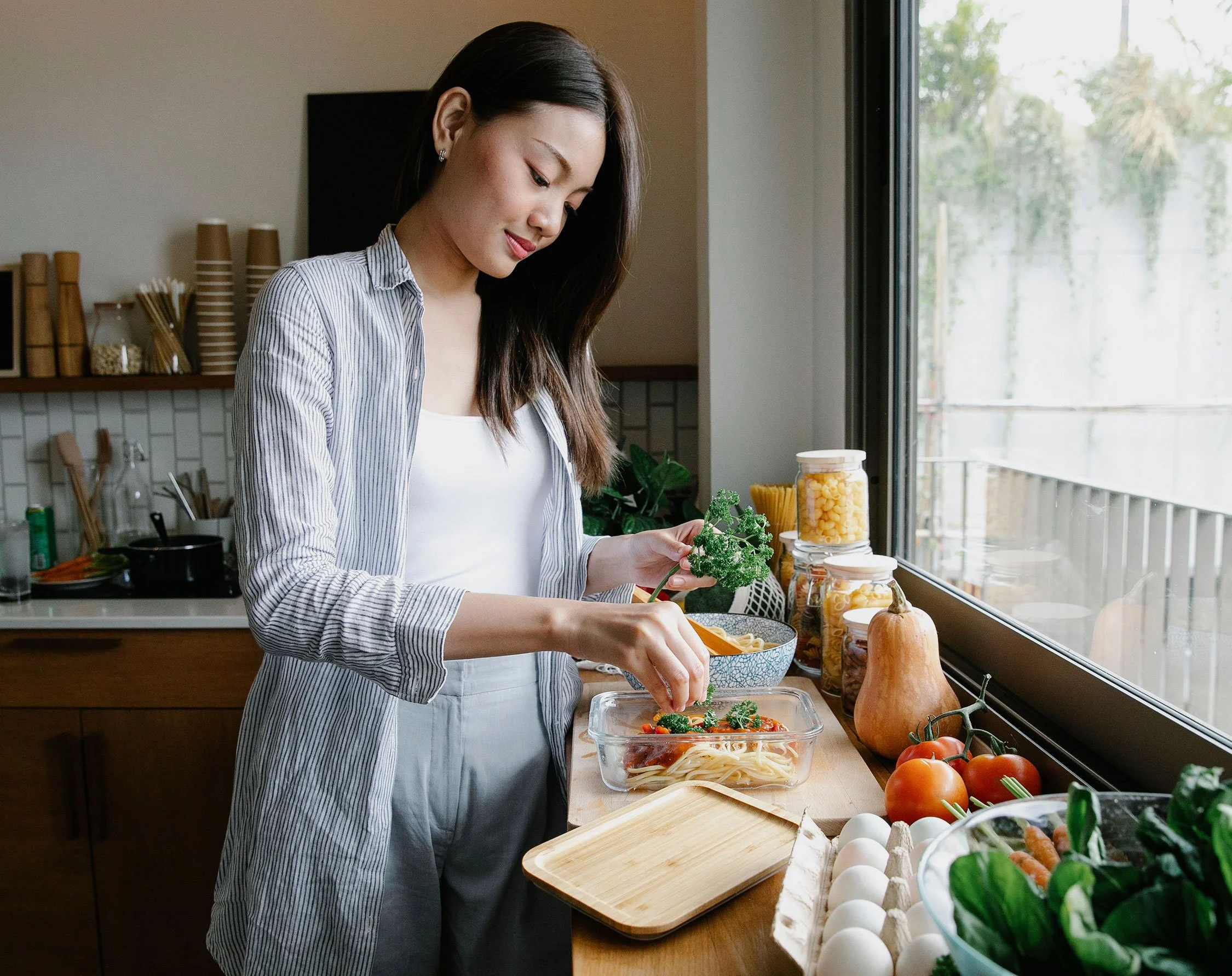
Palm oil is versatile in the kitchen. Its stability makes it suitable for higher-temperature cooking, so it works well for stir-frying, sautéing and frying. Refined palm oil also has a fairly neutral taste, which means your garlic, ginger, chilli and spices can still do the talking. ⁽⁶⁾ ⁽⁷⁾
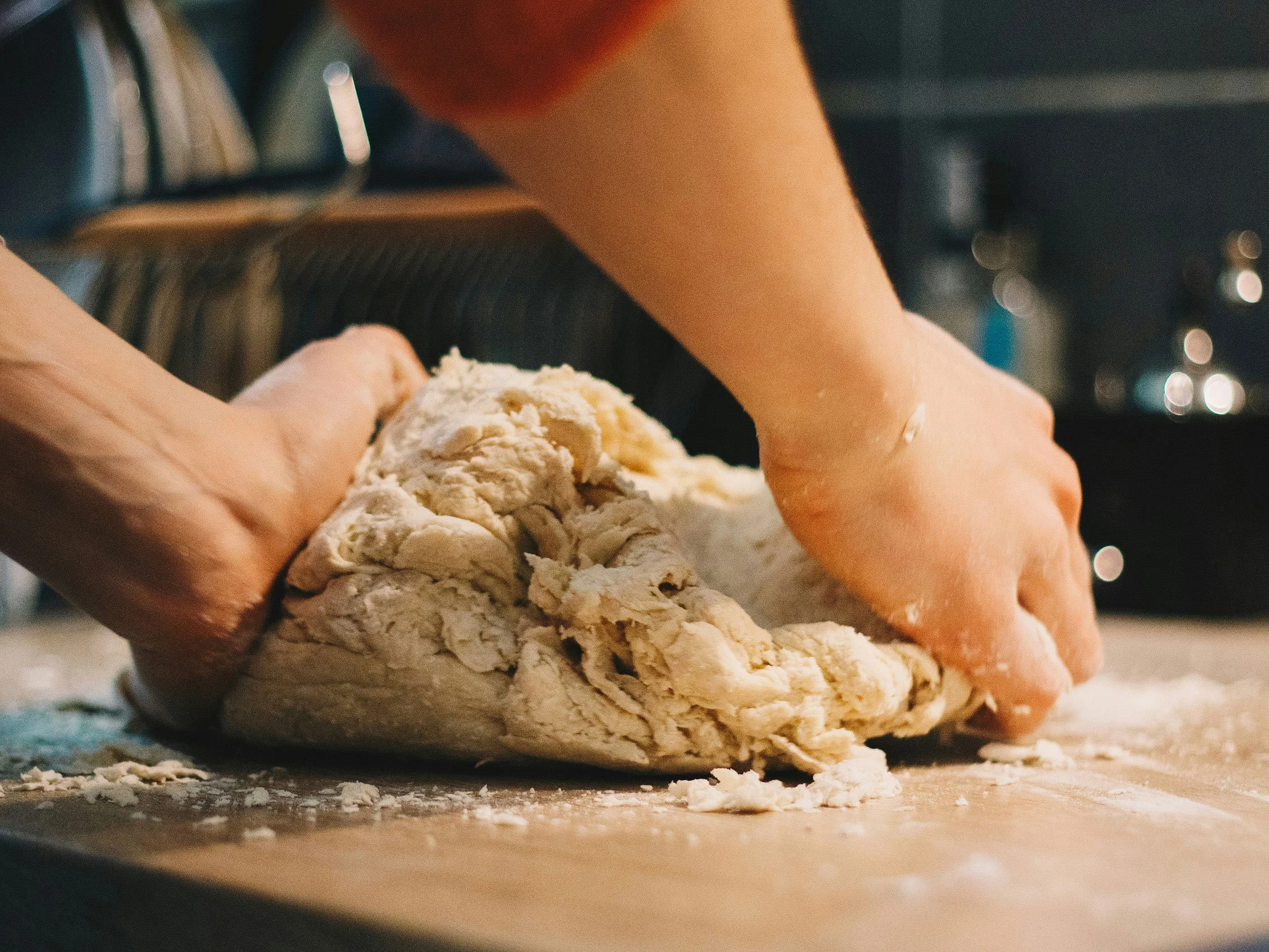
Palm-based fats are also used in baking because their physical properties can help with structure, texture and mouthfeel. ⁽⁷⁾
Anyone who has accidentally left the fat out of a cake will probably understand this very quickly.
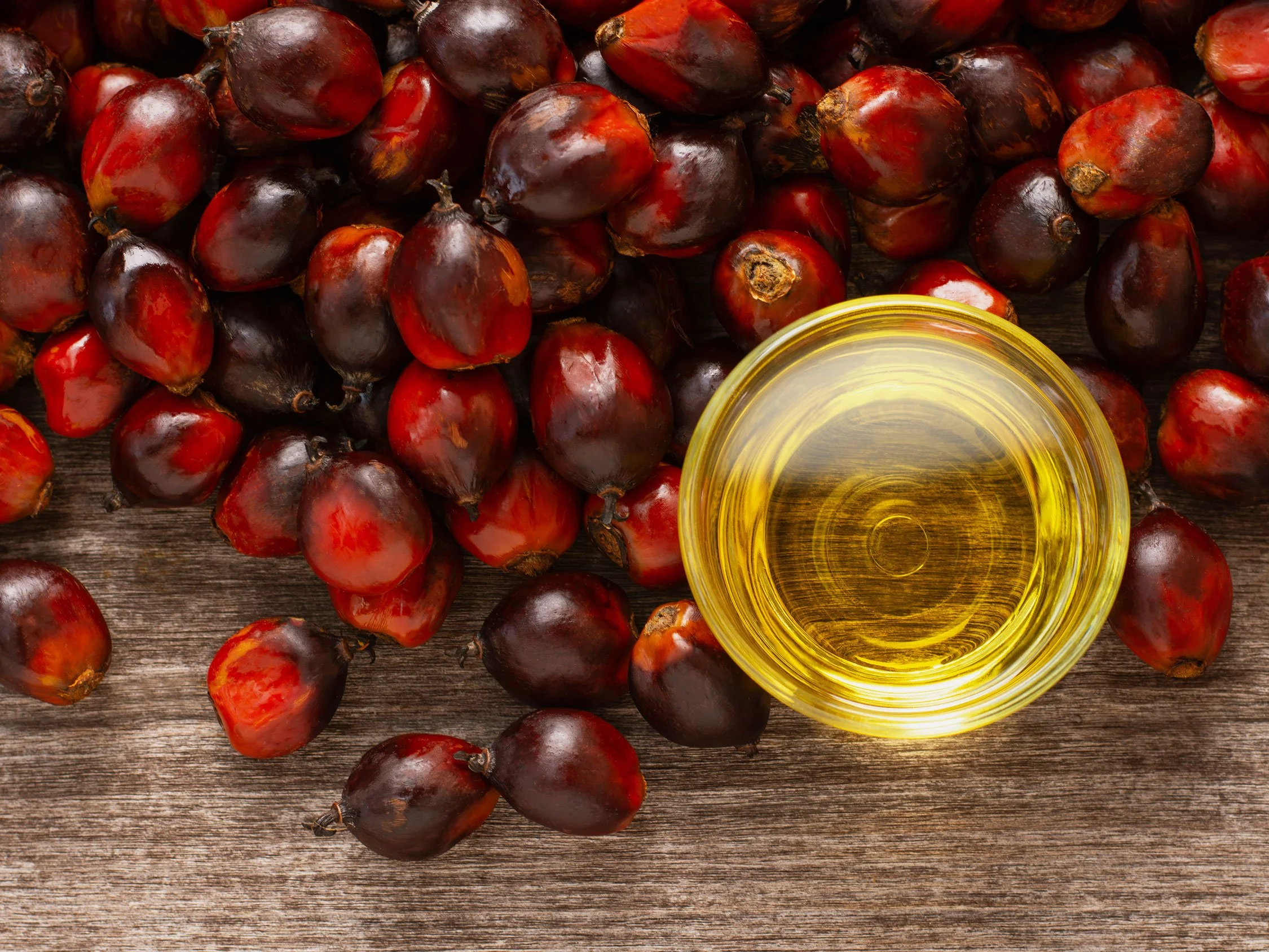
Then we have red palm oil, probably the more colourful member of the family, quite literally.
Its vibrant red-orange colour comes from carotenoids, including provitamin A carotenoids that our body can convert into vitamin A. Red palm oil also naturally contains vitamin E tocotrienols, compounds from the vitamin E family that have antioxidant activity. ⁽⁸⁾
But knowing what is inside an ingredient is only half the story. The other half is knowing what to do with it.
My advice for red palm oil is: don’t overthink it.
Start with dishes where that colour already feels at home. Sambal is an easy one. Curries, tomato-based dishes and marinades work well too. I have even experimented with it in rice bowls and creamy dressings.
Rather than forcing it into an unfamiliar recipe, start with something you already cook. Use a little, see how it changes the colour, aroma and richness of the dish, and build from there.
And perhaps that brings us back to World Food Day.
“Nourishing tomorrow” does not necessarily mean replacing everything we eat today. It can also mean understanding the food resources we already have, producing them more responsibly and using them more thoughtfully.
As a dietitian, I do not believe any single ingredient is going to save our diet, and I certainly would not put one ingredient on a nutritional pedestal. But I do believe there is value in being curious about our food.
Sometimes, innovation starts with a simple question: Have I actually understood what is already on my plate?

ReferenceFood and Agriculture Organization of the United Nations (FAO). World Food Day 2026: Innovate today. Nourish tomorrow. 2026.
International Union for Conservation of Nature (IUCN). Palm Oil and Biodiversity. Issues Brief. 2018.
World Health Organization (WHO). Healthy Diet. Updated 26 January 2026.
MedlinePlus Medical Encyclopedia, U.S. National Library of Medicine. Dietary Fats Explained.
Food and Agriculture Organization of the United Nations (FAO). Agriculture, Food and Nutrition for Africa: A Resource Book for Teachers of Agriculture. Rome: FAO; 1997.
Mba OI, Dumont M-J, Ngadi M. Palm oil: Processing, characterization and utilization in the food industry – A review. Food Bioscience. 2015;10:26–41. doi:10.1016/j.fbio.2015.01.003.
Alhaji AM, Almeida ES, Carneiro CR, da Silva CAS, Monteiro S, Coimbra JSdR. Palm Oil (Elaeis guineensis): A Journey through Sustainability, Processing, and Utilization. Foods. 2024;13(17):2814. doi:10.3390/foods13172814.
Madoromae H, Lertcanawanichakul M. Red Palm Oil: Nutritional Composition, Bioactive Properties, and Potential Applications in Health and Cosmetics: A Narrative Review. Molecules. 2025;30(22):4402. doi:10.3390/molecules30224402.