MCTs and MCT Oil: What They Are and Why They Matter
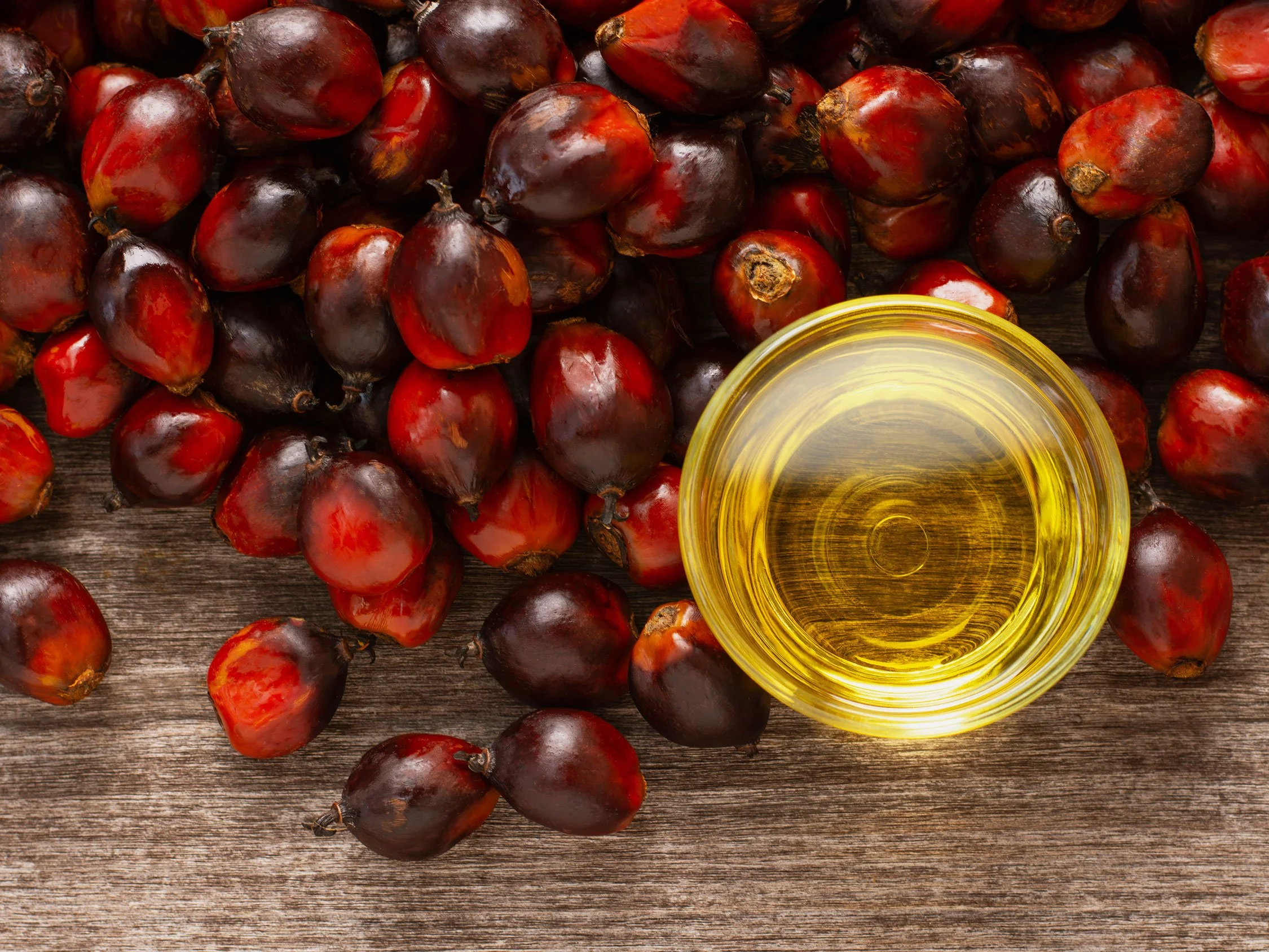
Medium-chain triglycerides (MCTs), are a type of fat made up of medium-length fatty acid chains. Sourced mainly from palm kernel and coconut, they are valued for their absorption profile, stability, and relevance across both nutrition and food applications.

What are MCTs?
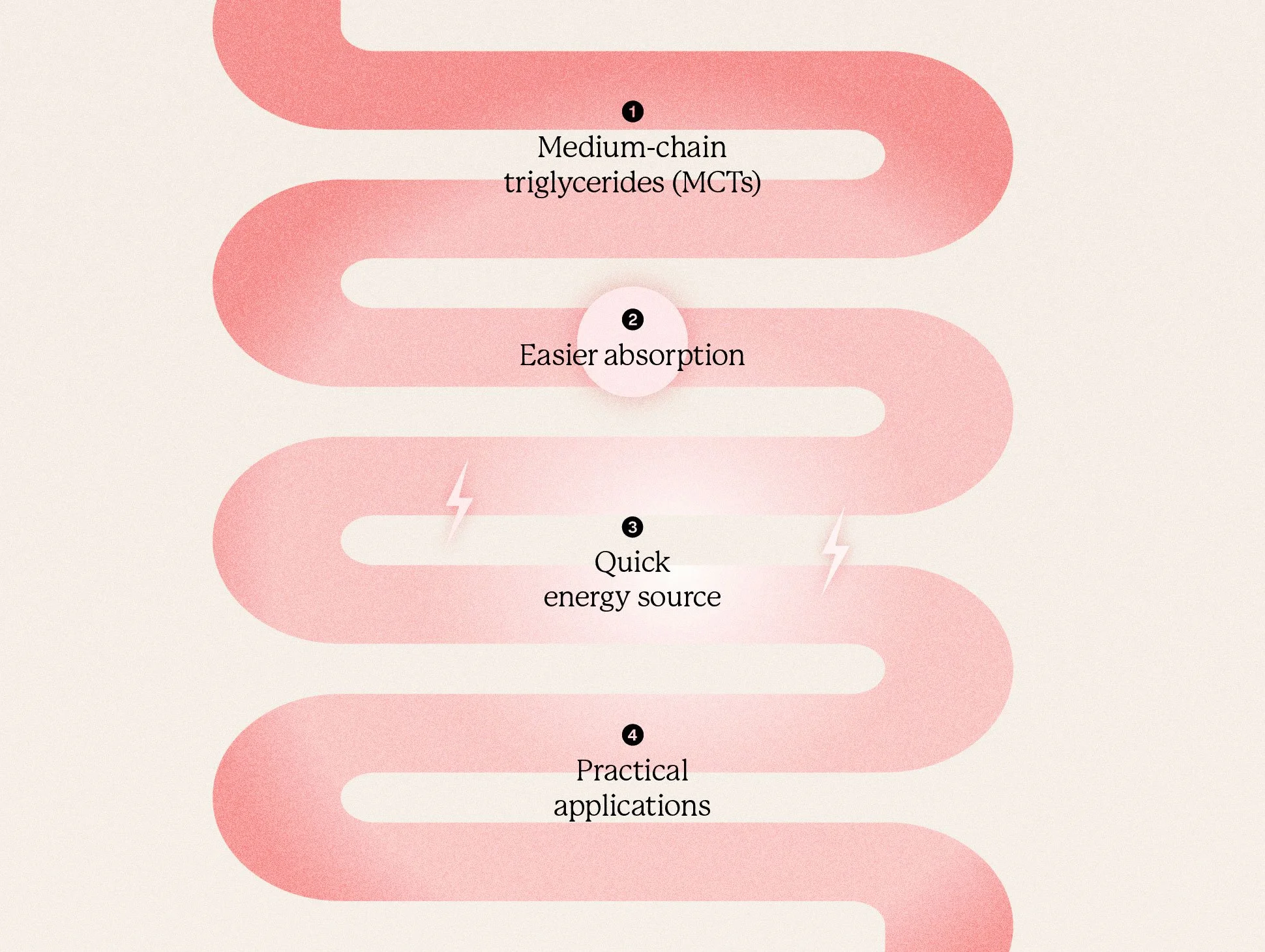
MCTs comprise a glycerol molecule attached to three fatty acid chains ranging from 6 to 12 carbons in length. Compared to long-chain fat molecules, they are more easily absorbed into the bloodstream from the gastrointestinal tract and have less tendency to accumulate as body fat.
They are also known as a concentrated source of calories compared to carbohydrates and proteins.
Main sources of MCTs
The main sources of MCTs and MCT oil are palm kernel and coconut. These plant-based sources underpin the use of MCT oil across a range of food and nutrition-related applications.
What distinguishes MCT oil
MCT oil generally contains 50–80% caprylic acid (C8) and 20–50% capric acid (C10). It is a nearly colourless oil with a neutral odour, and it provides 8.3 calories per gram.
Its exclusively saturated fatty acid composition also contributes to its stability against oxidation.
Where MCT oil is used
MCTs and MCT oil are used in pet food, infant milk formula, and functional foods and beverages. This gives MCT oil relevance not only in nutrition-related products, but also in specialised food formulations.
Potential areas of health interest
MCTs and MCT oil are associated with several areas of health interest, including healthy weight loss and management, exercise performance, gut and cognitive health, and lower risk of diabetes.
Together, these areas have contributed to growing interest in MCTs within both food and health-related contexts.
MCTs and MCT oil are notable for their distinctive structure, practical functionality, and broad range of applications. From formulation use to potential health interest, they continue to hold relevance within the wider health and nutrition landscape.
ReferenceSitrin, M.D. Digestion and Absorption of Dietary Triglycerides. (2014). Chapter 7. P.S. Leung (ed.), The Gastrointestinal System Gastrointestinal, Nutritional and Hepatobiliary Physiology, DOI 10.1007/978-94-017-8771--0__7
Han, J. R., Deng, B., Sun, J., Chen, C. G., Corkey, B. E., Kirkland, J. L., Ma, J., & Guo, W. (2007). Effects of dietary medium-chain triglyceride on weight loss and insulin sensitivity in a group of moderately overweight free-living type 2 diabetic Chinese subjects. Metabolism: clinical and experimental, 56(7), 985–991. https://doi.org/10.1016/j.metabol.2007.03.005