

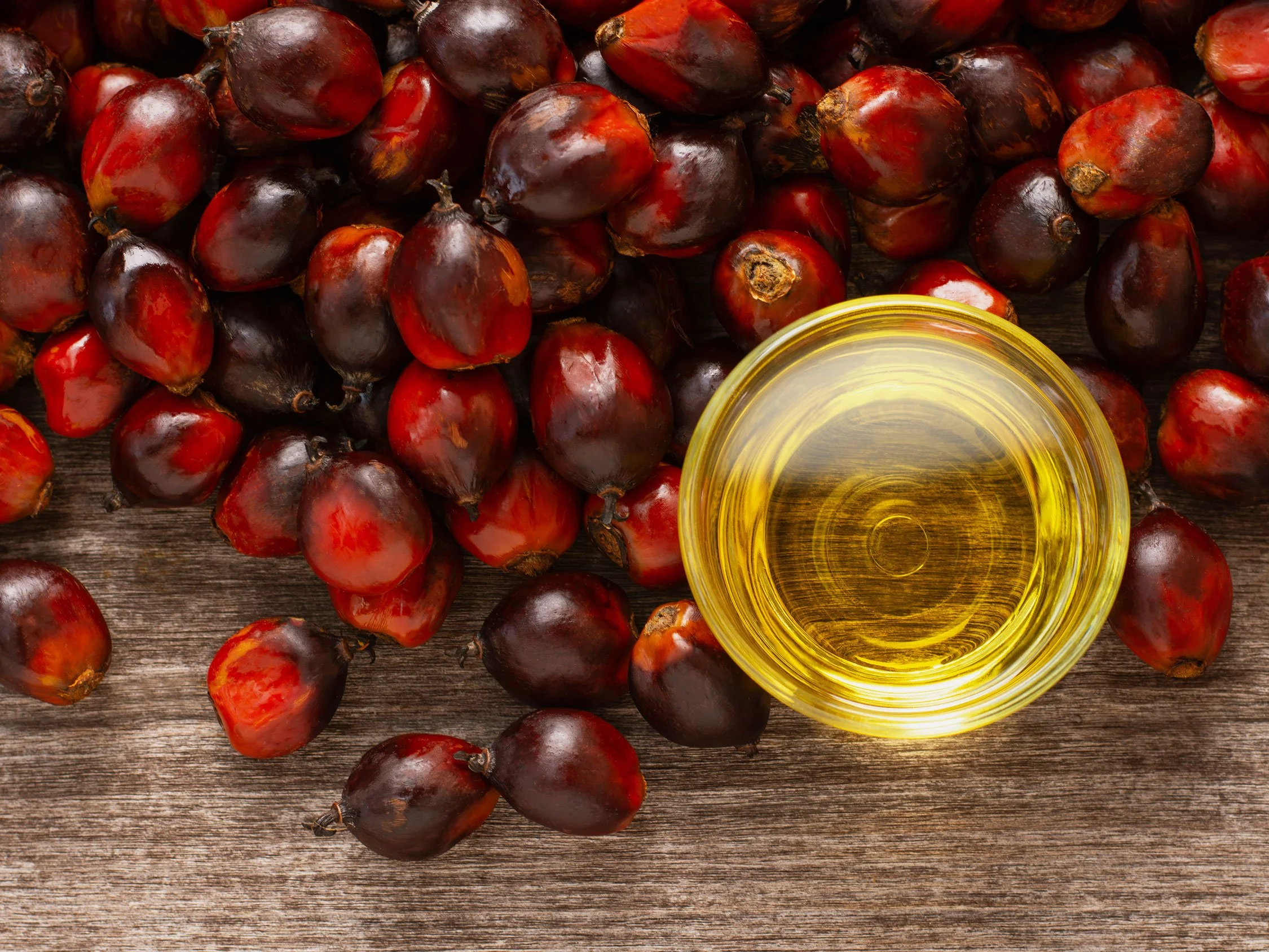
Palm Oil: Nutritional Attributes and Health Relevance
Palm oil plays an important role in meeting global demand for edible oils and fats. Beyond its widespread use, the source material positions palm oil as a nutritionally complex oil—one that combines a balanced fatty acid composition with naturally occurring phytonutrients such as carotenoids and vitamin E tocotrienols.
MCTs and MCT Oil: What They Are and Why They Matter
Medium-chain triglycerides (MCTs), are a type of fat made up of medium-length fatty acid chains. Sourced mainly from palm kernel and coconut, they are valued for their absorption profile, stability, and relevance across both nutrition and food applications.

Beyond Good and Bad Foods: Where Palm Oil Fits in a Balanced Diet
As a dietitian, my role is to help people move beyond seeing foods simply as “good” or “bad” and make informed choices based on evidence. Healthy eating is not about perfection; rather it is about balance, variety and sustainable habits that support health and good nutrition for the long term.

Palm Olein and Blood Lipids: What the Evidence Suggests
Palm olein is the liquid fraction of palm oil and is widely used as a cooking oil in many parts of the world. In discussions around cholesterol and cardiovascular health, it is best understood through its fatty acid composition, its role in the diet, and the evidence comparing it with other edible oils.
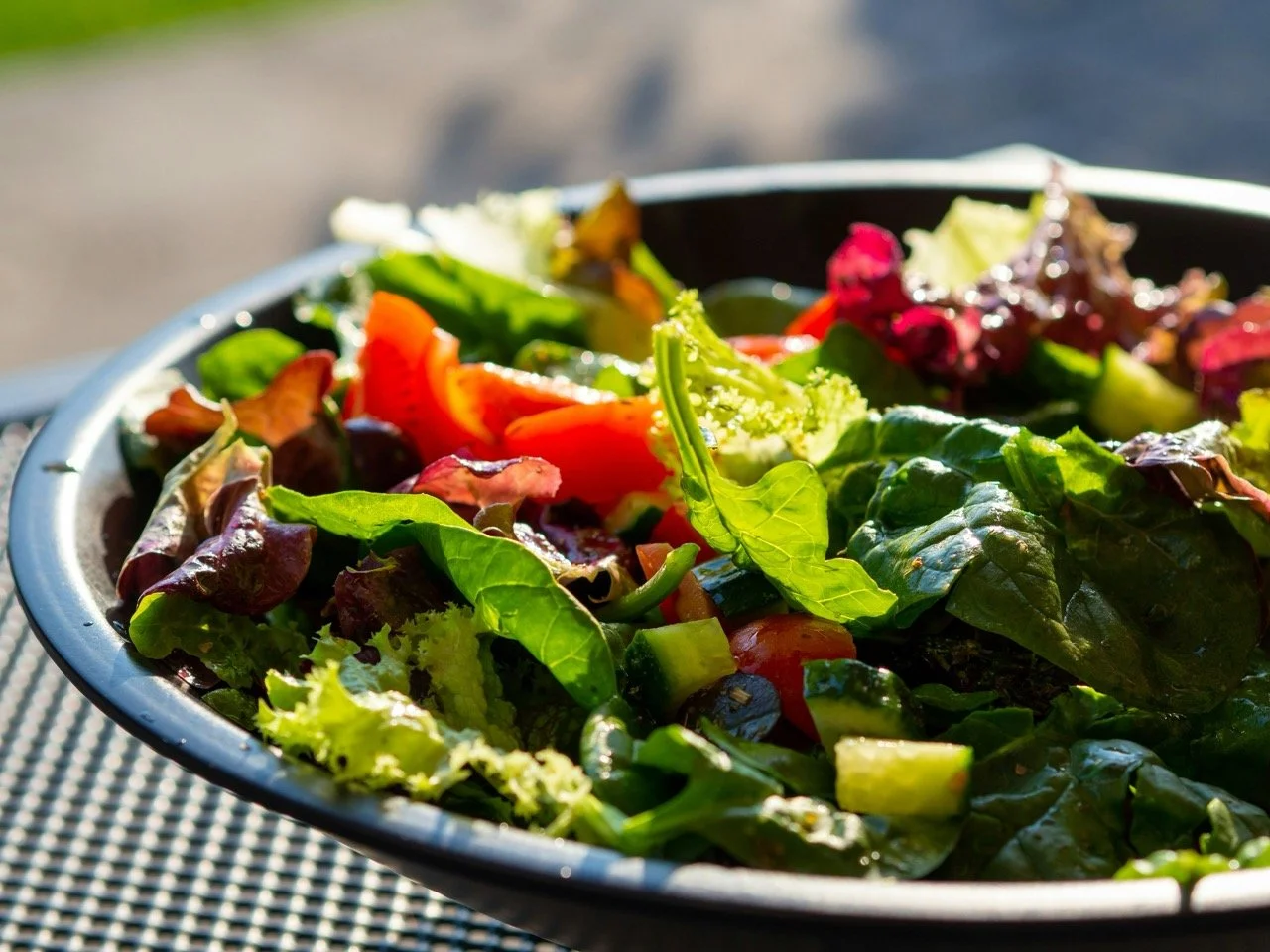
Red Palm Oil: A Nutrient-Rich Cooking Oil with Culinary Versatility
Red palm oil is a minimally processed oil derived from the flesh of the oil palm fruit. Distinctive for its natural red-orange colour, it is valued not only for its culinary performance, but also for its richness in carotenoids, vitamin E tocotrienols, and other naturally occurring phytonutrients.