Baking a Lower-GI Super Loaf with Malaysian Palm Oil
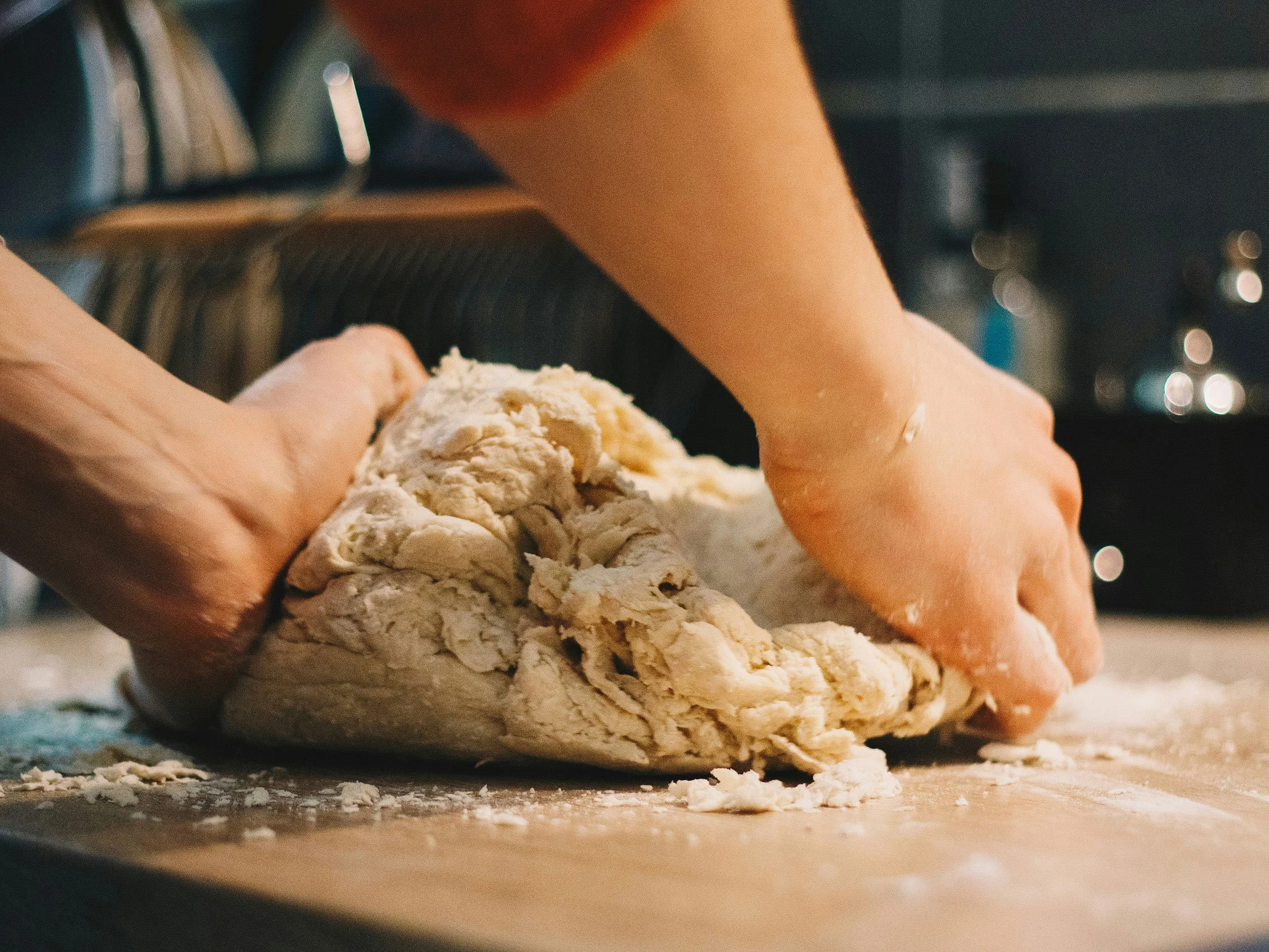
Bread is often associated with refined flour and a higher glycaemic response, but not all loaves behave in the same way. Ingredient choice, formulation, and fat selection can all influence texture, nutrition, and how steadily energy is released after eating.
What GI means in bread
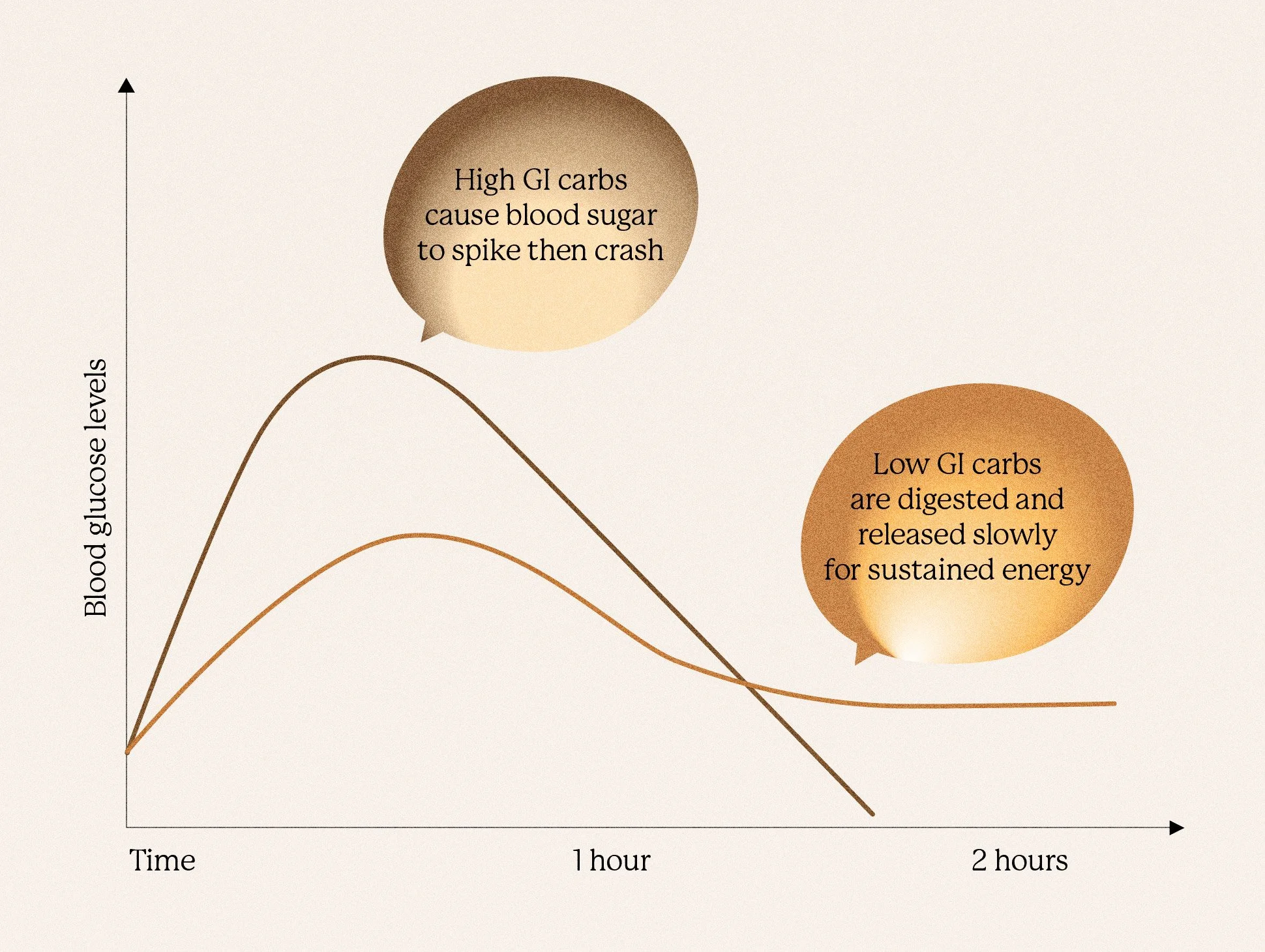
Glycaemic Index, or GI, measures how quickly carbohydrate-rich foods are digested and how rapidly glucose enters the bloodstream. Lower-GI foods are digested more slowly, supporting a steadier release of energy and longer satiety than high-GI foods.
Why oil matters in bread making
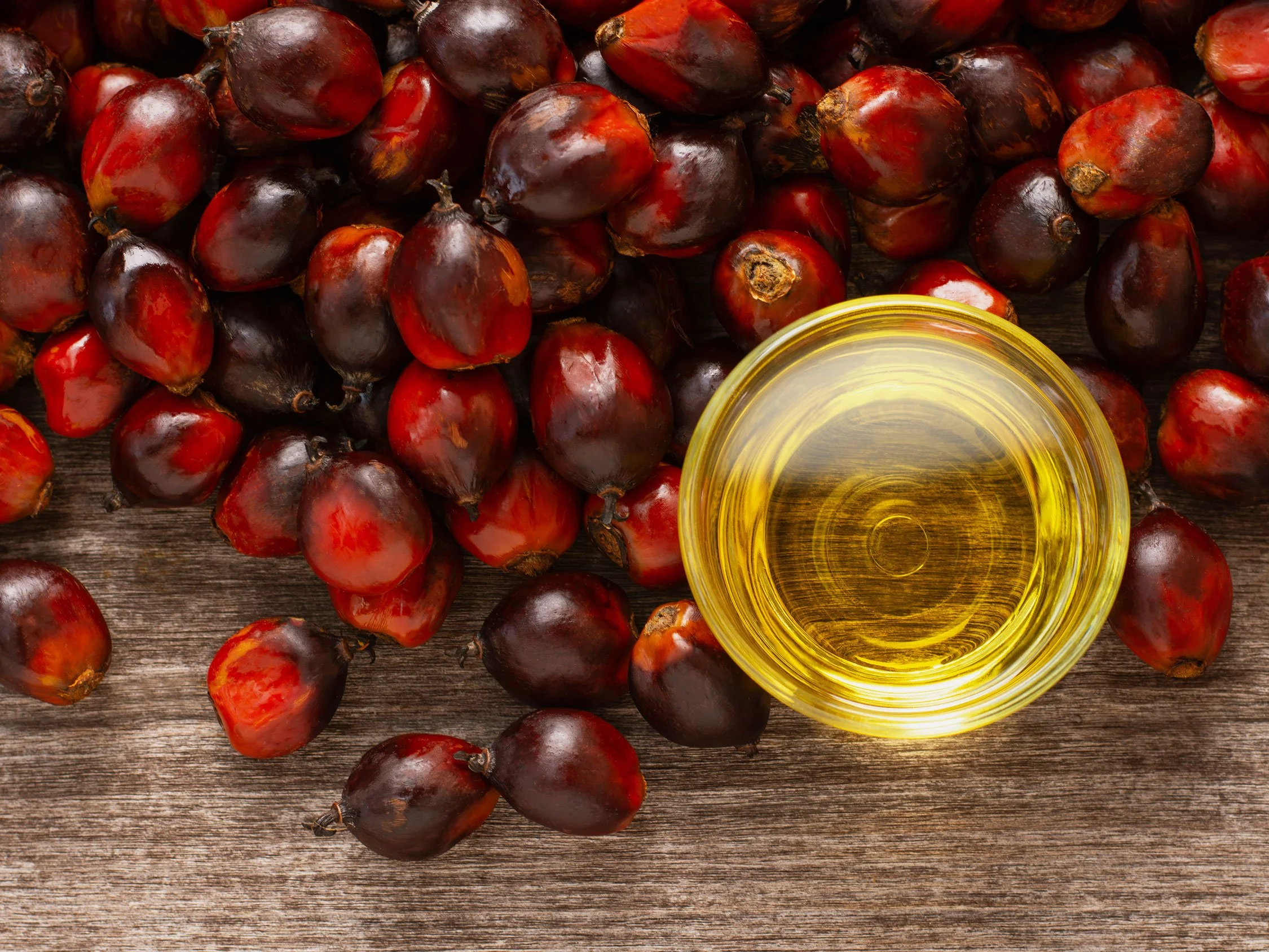
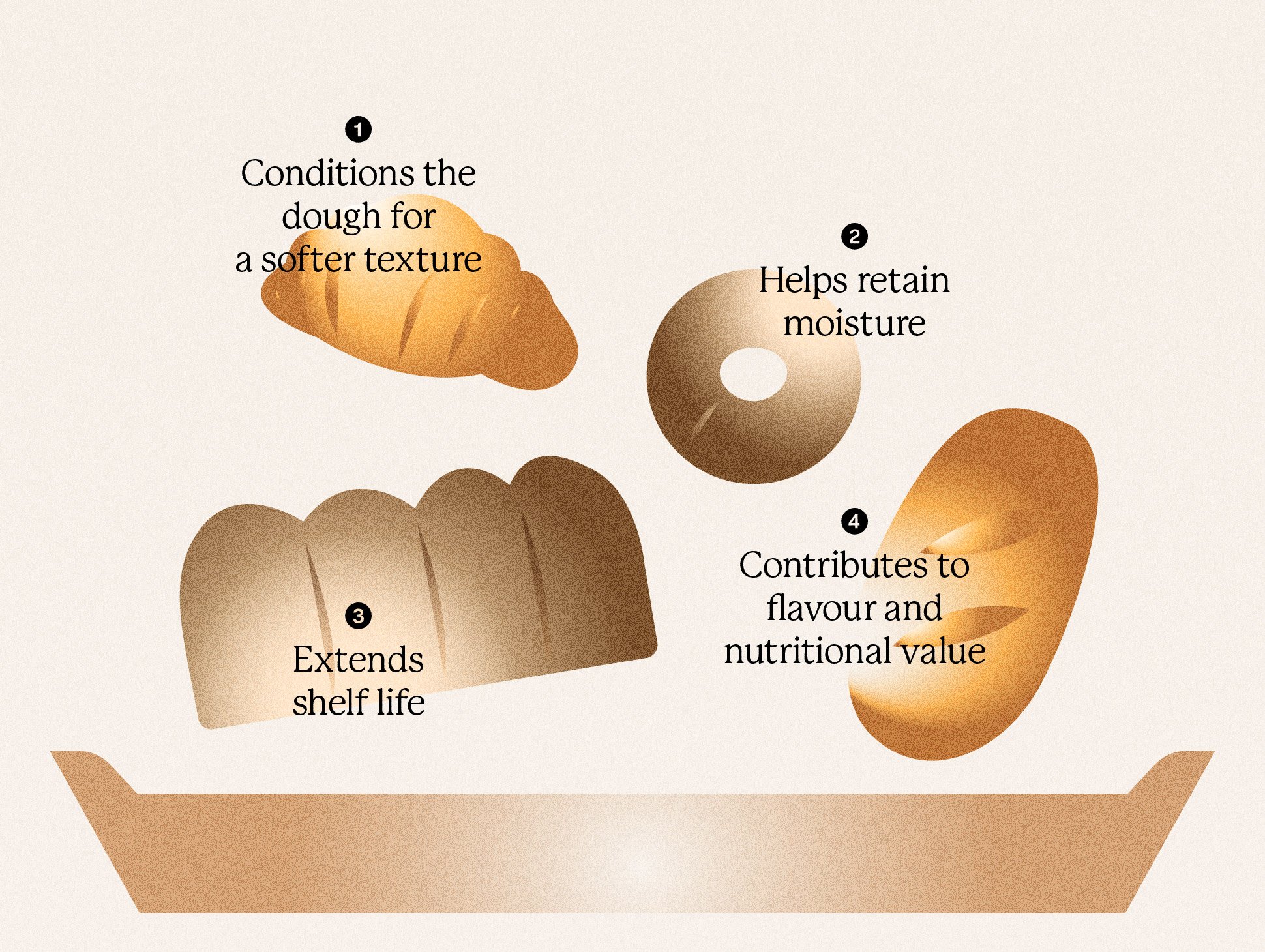
Oil plays an important role in bread making by helping to condition the dough, improve softness, retain moisture, extend shelf life, and contribute flavour and nutrition. In this context, Malaysian red palm oil adds both functional and nutritional value.
A small amount of red palm oil can help fortify bread with provitamin A carotenoids and vitamin E tocotrienols, while also giving the loaf a natural orange hue. Palm-based margarine can also be used as a plant-based alternative to butter in breads such as brioche, cinnamon rolls, and hot cross buns.
Why lower-GI bread depends on the whole formulation
A lower-GI loaf is not achieved by simply changing the oil or fat alone. Commercial low-GI breads are usually developed through a combination of effective ingredients at appropriate levels, such as whole grains, higher fibre content, legumes or resistant starch, sourdough fermentation, specific grain particle sizes, and suitable fat systems.
Within this broader formulation, oil plays a supporting role. Fat and oil can affect crumb texture and starch gelatinisation, which may help slow enzyme access to starch. Replacing part of the carbohydrate-rich ingredients with fat may also reduce the proportion of available carbohydrates, while some fats can encourage the formation of resistant starch during baking and cooling.
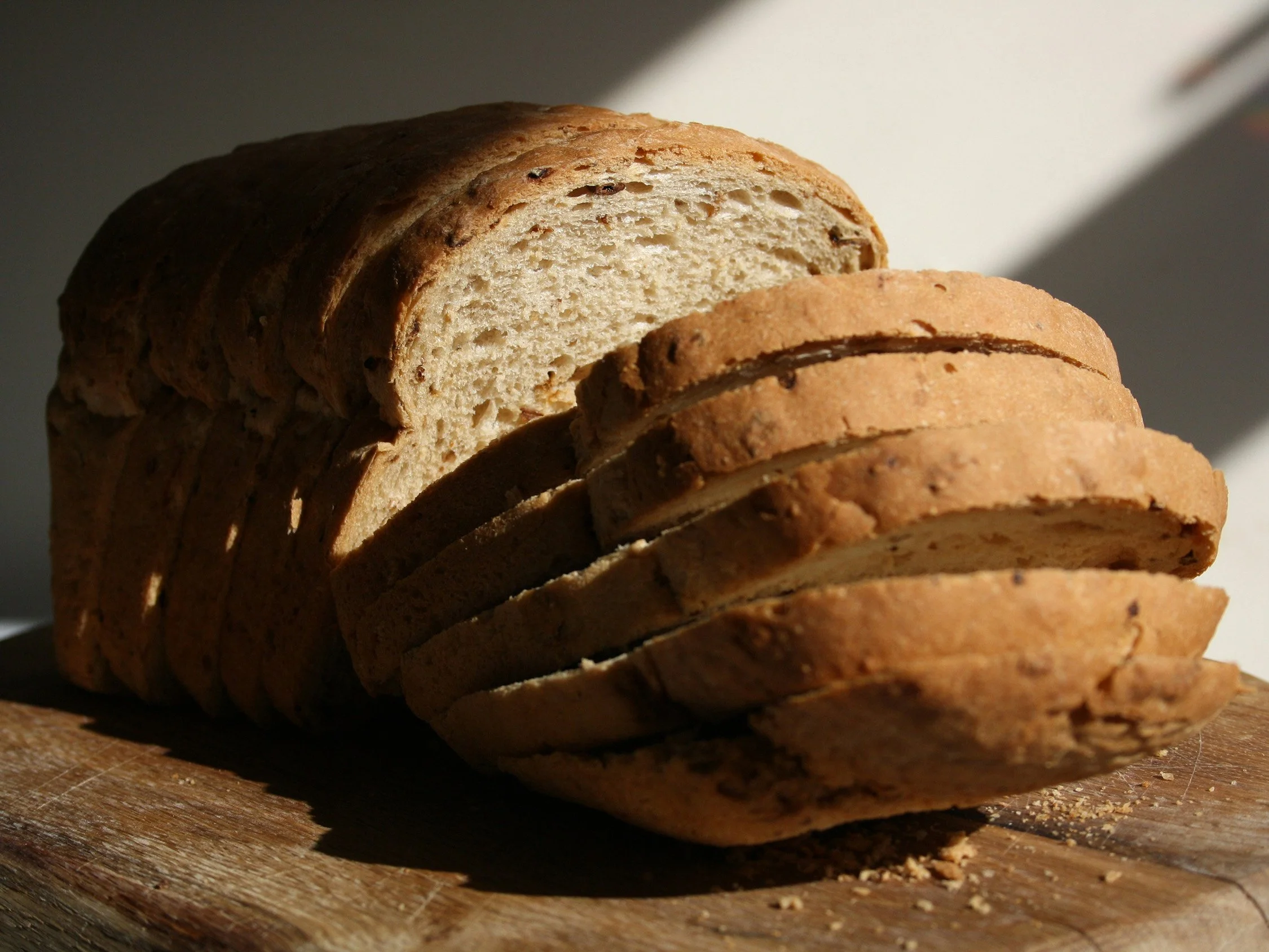
A lower-GI loaf depends on more than flour alone. It is shaped by the careful balance of ingredients, processing methods, and suitable fat systems that work together to moderate starch digestion and glucose release. Within this broader bread formulation, Malaysian red palm oil can play a supporting role while contributing softness, colour, and added nutritional interest, making it a useful ingredient in more thoughtfully composed breads.
ReferenceRios, Raquel Vallerio, et al. “Application of fats in some food products.” Food Science and Technology1 (2014): 3-15.
Pareyt, Bram, et al. “Lipids in bread making: Sources, interactions, and impact on bread quality.” Journal of Cereal Science3 (2011): 266-279.
Glyemic Index Foundation, accessed 22 March 2022, https://www.gisymbol.com/.
Henry, C. J. K., Lightowler, H. J., Newens, K. J., & Pata, N. (2008). The influence of adding fats of varying saturation on the glycaemic response of white bread. International Journal of Food Sciences and Nutrition, 59(1), 61-