Red Palm Oil: A Nutrient-Rich Cooking Oil with Culinary Versatility
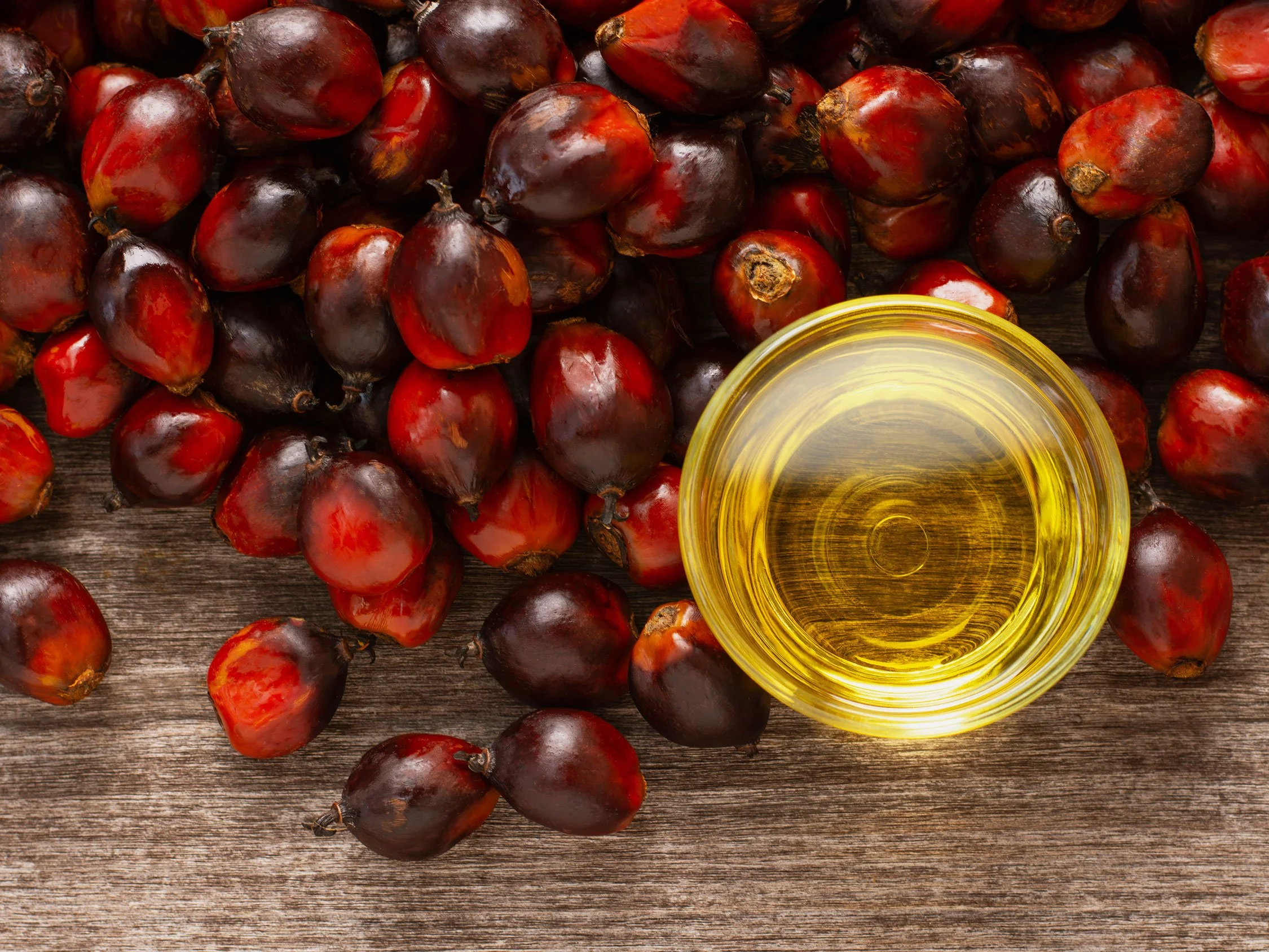
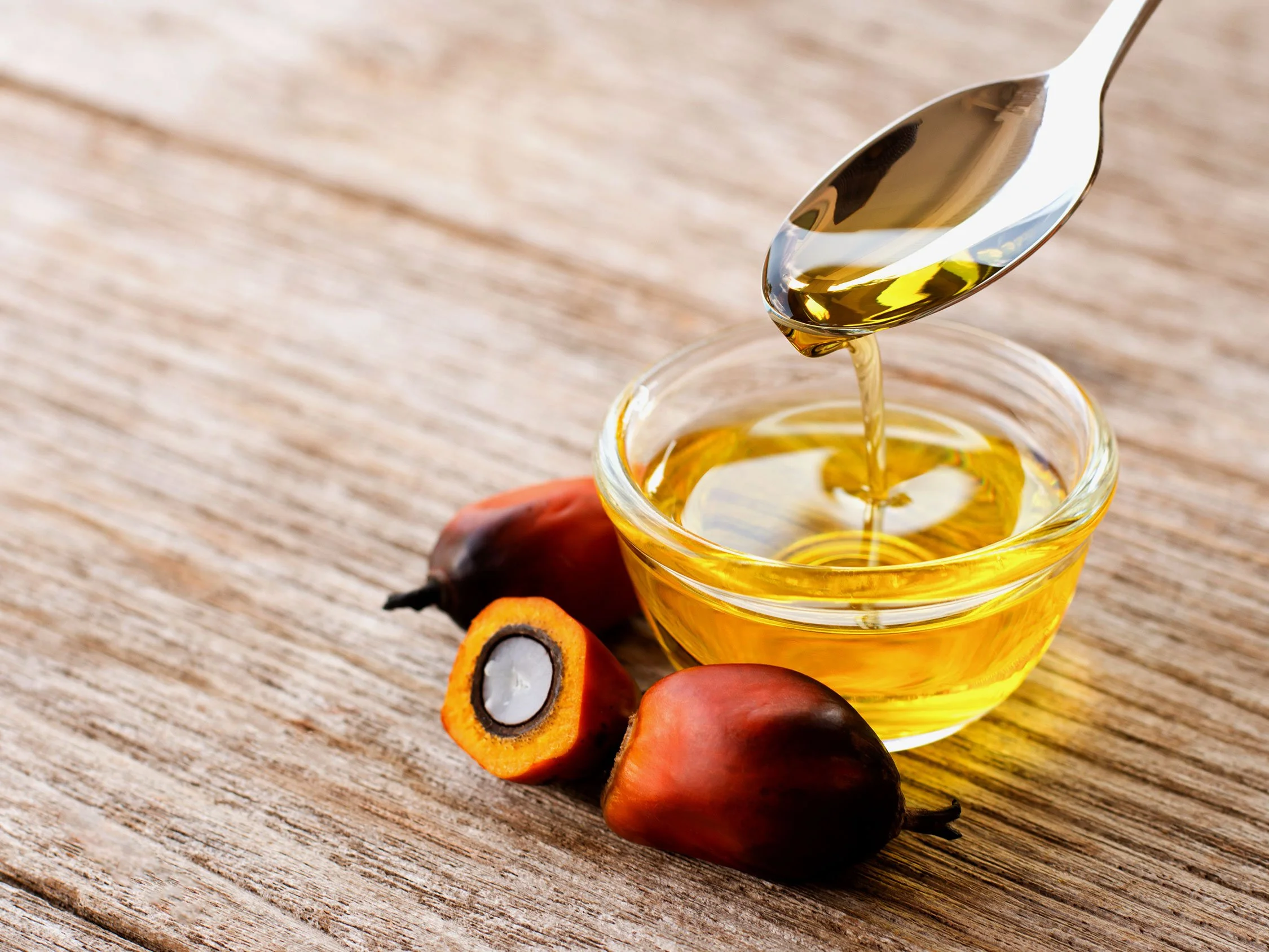
Red palm oil is a minimally processed oil derived from the flesh of the oil palm fruit. Distinctive for its natural red-orange colour, it is valued not only for its culinary performance, but also for its richness in carotenoids, vitamin E tocotrienols, and other naturally occurring phytonutrients.
What is red palm oil?
Red palm oil is produced through a refining process that retains much of the carotenoids and vitamins naturally present in crude palm oil. This gives the oil its vivid colour and distinguishes it from more refined palm-based oils.
In addition to carotenoids, red palm oil contains vitamin E, phytosterols, squalene, and coenzyme Q10, giving it a nutritional profile that extends beyond its role as a cooking oil alone.
Why its colour matters
The red-orange hue of red palm oil comes from carotenoids, which are natural pigments found in many plants. In palm oil, alpha-carotene and beta-carotene are among the major carotenoids present, and these are valued for their relevance as provitamin A compounds.
This makes red palm oil notable not only visually, but nutritionally as well. Its carotenoid content is one of the key reasons it is often discussed in relation to vitamin A intake and broader dietary wellbeing.
A source of provitamin A and vitamin E tocotrienols
Red palm oil is recognised as a rich source of provitamin A among vegetable oils. Once consumed, provitamin A carotenoids can be converted by the body into vitamin A, an essential nutrient involved in vision, immunity, growth, and development.
It also contains vitamin E tocotrienols, which contribute further nutritional interest to red palm oil and add to its distinction among edible oils. Tocotrienols are recognised for their antioxidant properties, helping support the body against oxidative stress and cellular damage. This further enhances red palm oil’s nutritional profile beyond its role as a cooking oil.
How red palm oil performs in the kitchen
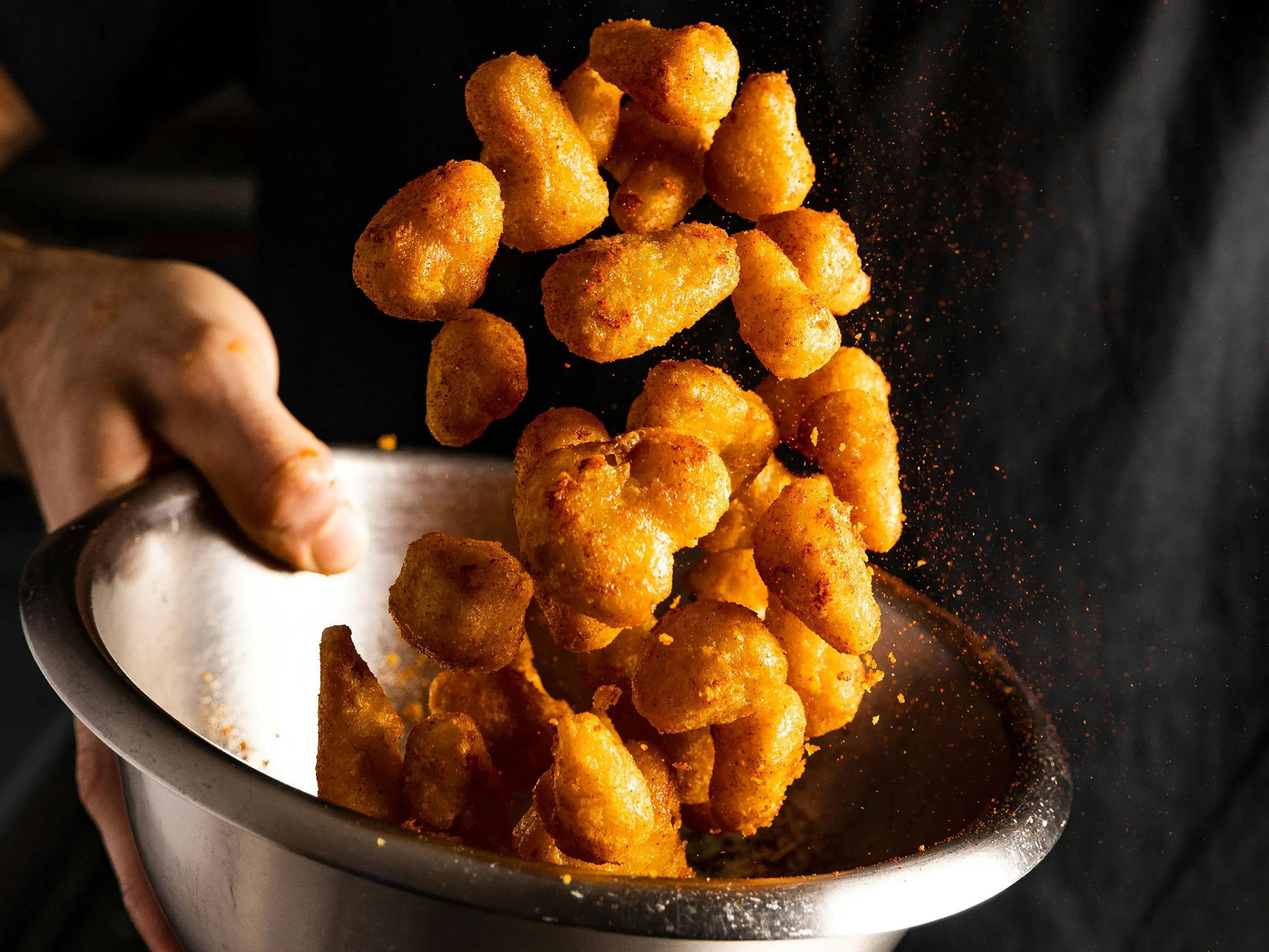
Red palm oil has a high smoke point and remains stable at elevated temperatures, making it suitable for sautéing, stir-frying, roasting, and baking. It also works well in lower-heat applications such as sauces, dressings, and gravies, where its colour and nutrient profile can be more visibly retained.
Its natural hue adds visual richness to food, making it a distinctive ingredient in dishes such as curries, rice, eggs, and sauces.

More than a cooking oil
Because it is resistant to oxidation, red palm oil also offers practical advantages in food preparation. Its stability, nutrient density, and natural colour make it relevant both in everyday cooking and in more creative culinary applications.
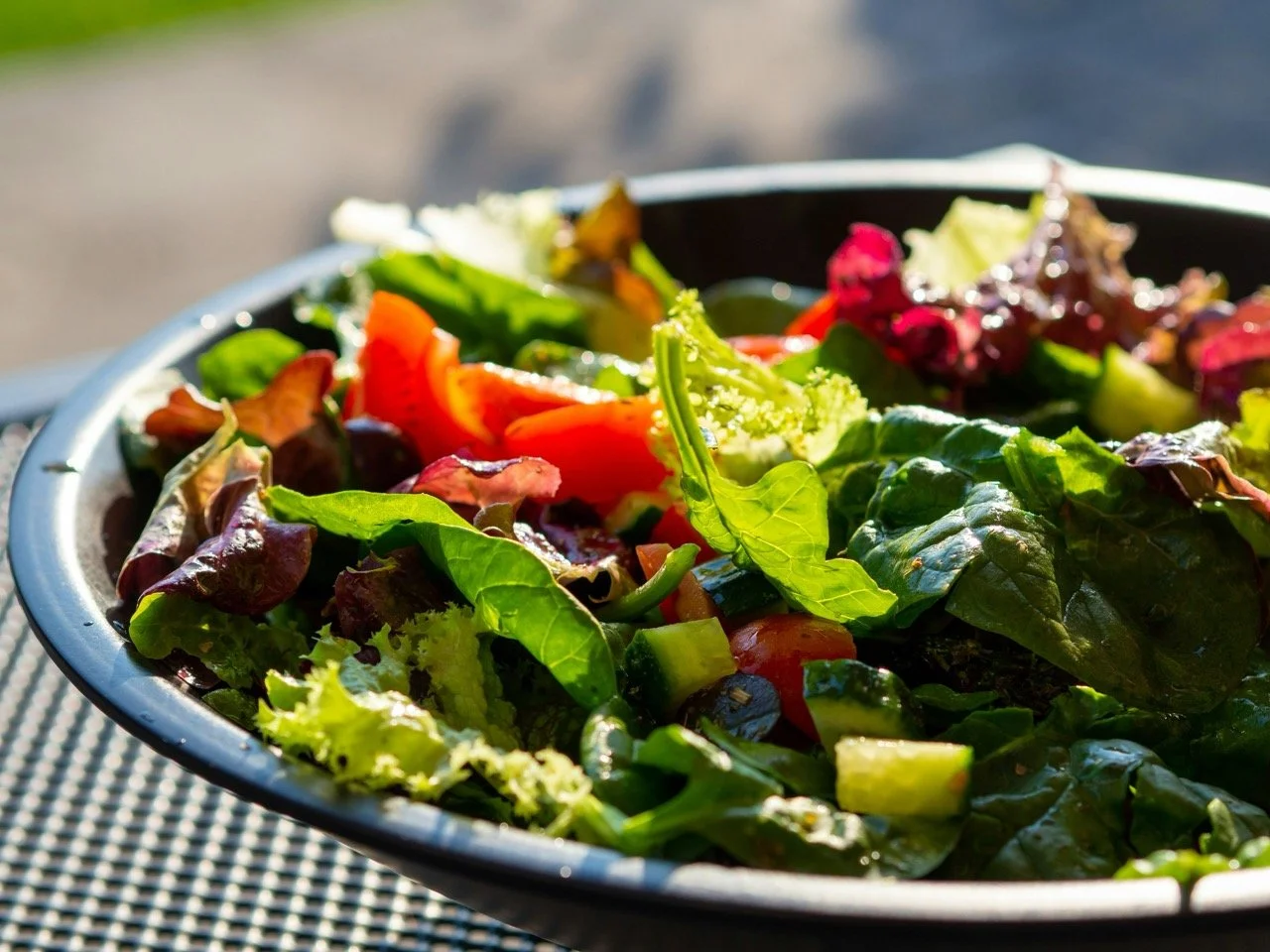
Rather than being seen only as an alternative oil, red palm oil can be understood as a distinctive ingredient that brings together visual appeal and nutritional interest. It is especially suited to lower-heat applications, where its natural carotenoids can be better preserved. In the kitchen, Malaysian red palm oil can be used in salad dressings as an alternative to olive oil, or added to baked goods such as chocolate cake, brownies and cookies to bring added richness, colour and depth of flavour.
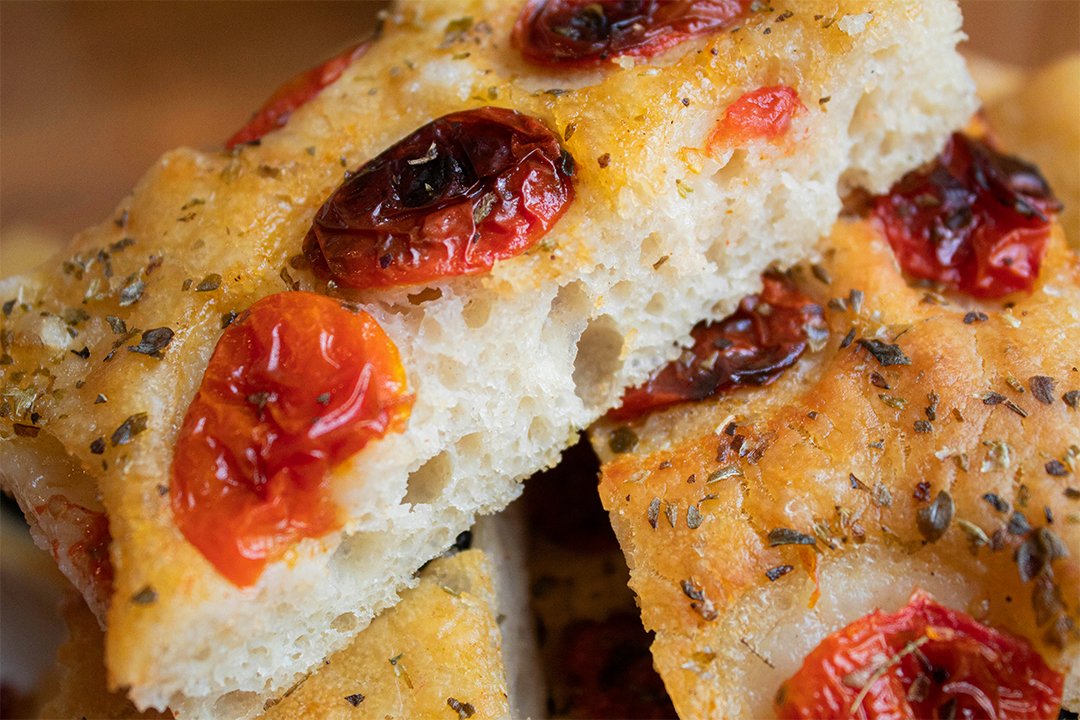
Malaysian red palm oil can be incorporated into a variety of dishes, including pasta, focaccia, salad dressings, cakes, brownies, cookies and other low-heat or baked applications where its natural colour, richness and nutritional qualities can be appreciated.
This versatility reinforces its place not only as a nutrient-rich ingredient, but also as a practical and adaptable one in contemporary cooking.
Red palm oil offers a more nuanced profile than that of a conventional cooking oil. With its natural carotenoids, vitamin E tocotrienols, and culinary versatility, it brings together nutritional value and broad kitchen applicability in a single ingredient.
ReferenceOoi CK, Choo YM, and Ong ASH. (1991). Recovery of carotenoids. US Patent No. 5019668.
Scrimshaw NS. (2000). Nutritional potential of red palm oil for combating vitamin A deficiency. Food Nutr Bull 21:195-201.
Aggarwal BB, Sundaram C, Prasad S and Kannapan R. (2010). Tocotrienols, the Vitamin E of the 21st Century: Its Potential Against Cancer and Other Chronic Diseases. Biochem Pharmacol 80(11): 1613-1631.
Imram, N. (1999). The role of visual cues in consumer perception and acceptance of a food product. Nutrition & Food Science, 224-228.