

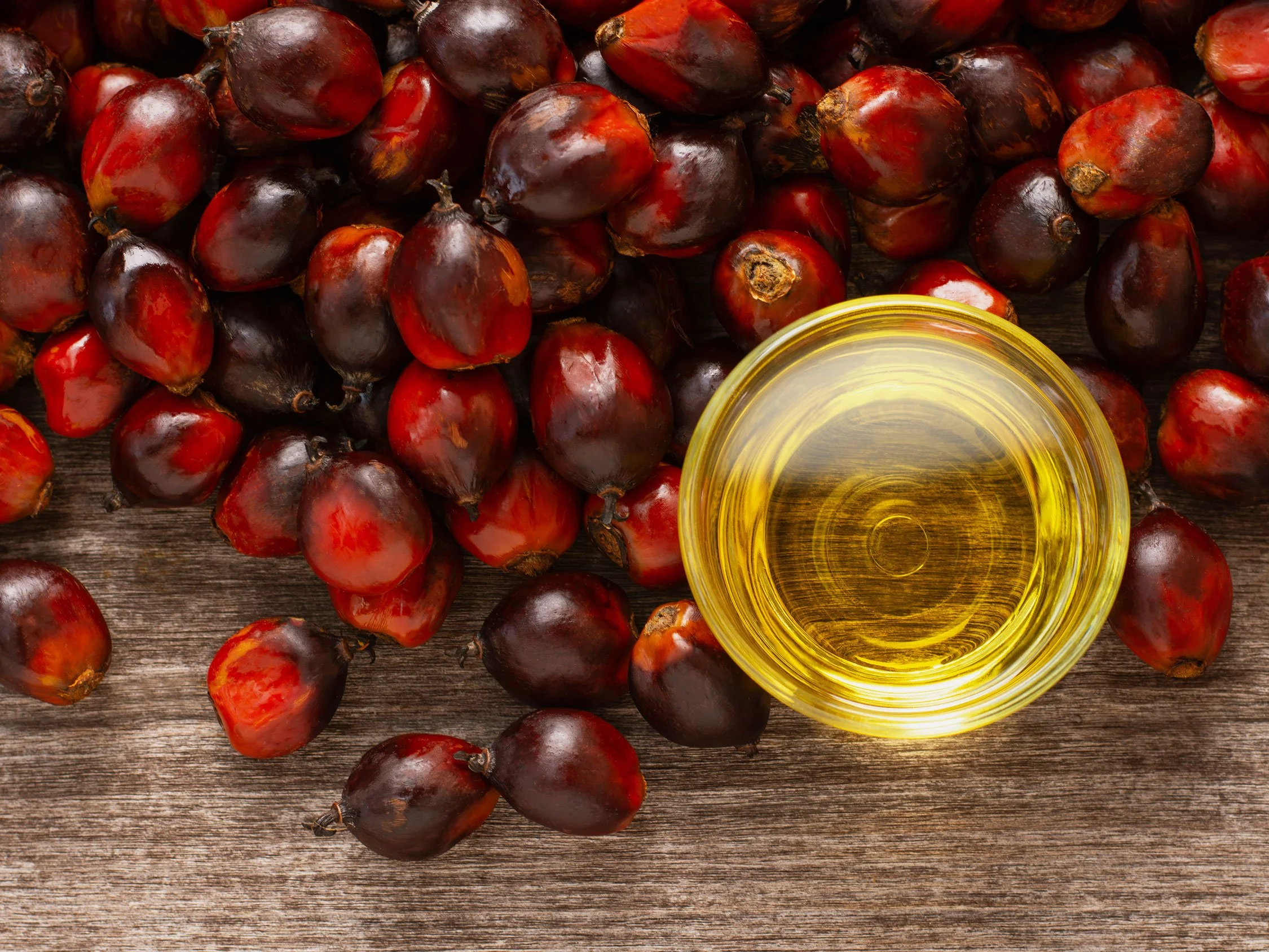
Palm Oil: Nutritional Attributes and Health Relevance
Palm oil plays an important role in meeting global demand for edible oils and fats. Beyond its widespread use, the source material positions palm oil as a nutritionally complex oil—one that combines a balanced fatty acid composition with naturally occurring phytonutrients such as carotenoids and vitamin E tocotrienols.

Baking a Lower-GI Super Loaf with Malaysian Palm Oil
Bread is often associated with refined flour and a higher glycaemic response, but not all loaves behave in the same way. Ingredient choice, formulation, and fat selection can all influence texture, nutrition, and how steadily energy is released after eating.
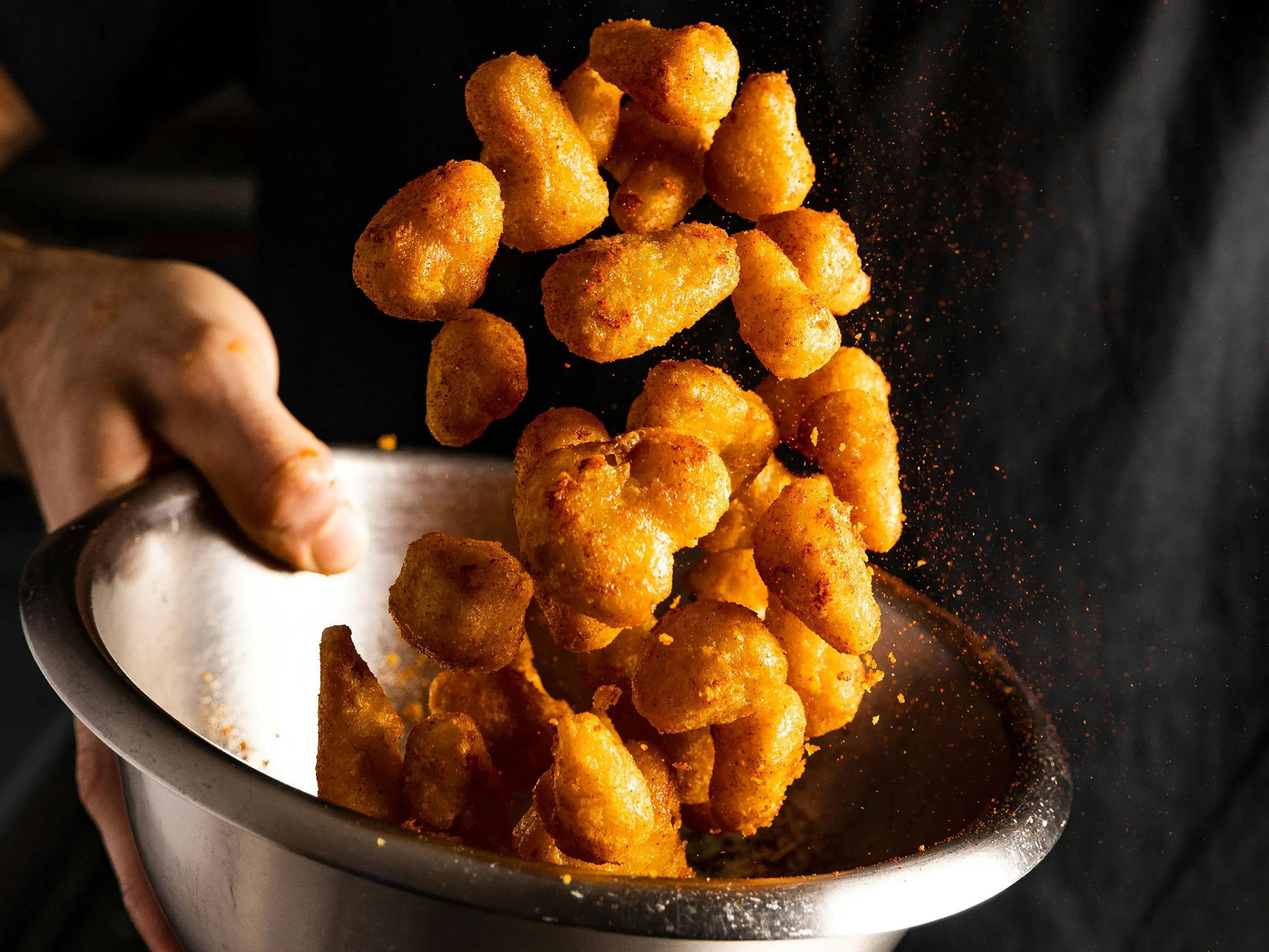
Palm Olein in Frying: What Comparative Studies Suggest
Frying performance depends not only on cooking outcome, but also on how well an oil maintains its stability under heat. Comparative studies on palm olein have examined its performance during repeated frying, both as a blend and against other edible oils, with results indicating its functional and nutritional relevance in frying applications.

Trans-Fat-Free Frying Oil Alternative
As efforts to eliminate industrially produced trans-fats continue globally, non-partially hydrogenated frying oils are being assessed for both function and health relevance. In this context, palm oil and palm olein are often considered practical and healthier alternatives to partially hydrogenated oils in frying applications.

Why Oil Stability Matters in Repeated Frying
Repeated frying is a common practice in many households and food preparation settings. In this context, oil stability matters, as repeated heating can accelerate oxidation and contribute to the formation of undesirable compounds.