Trans-Fat-Free Frying Oil Alternative
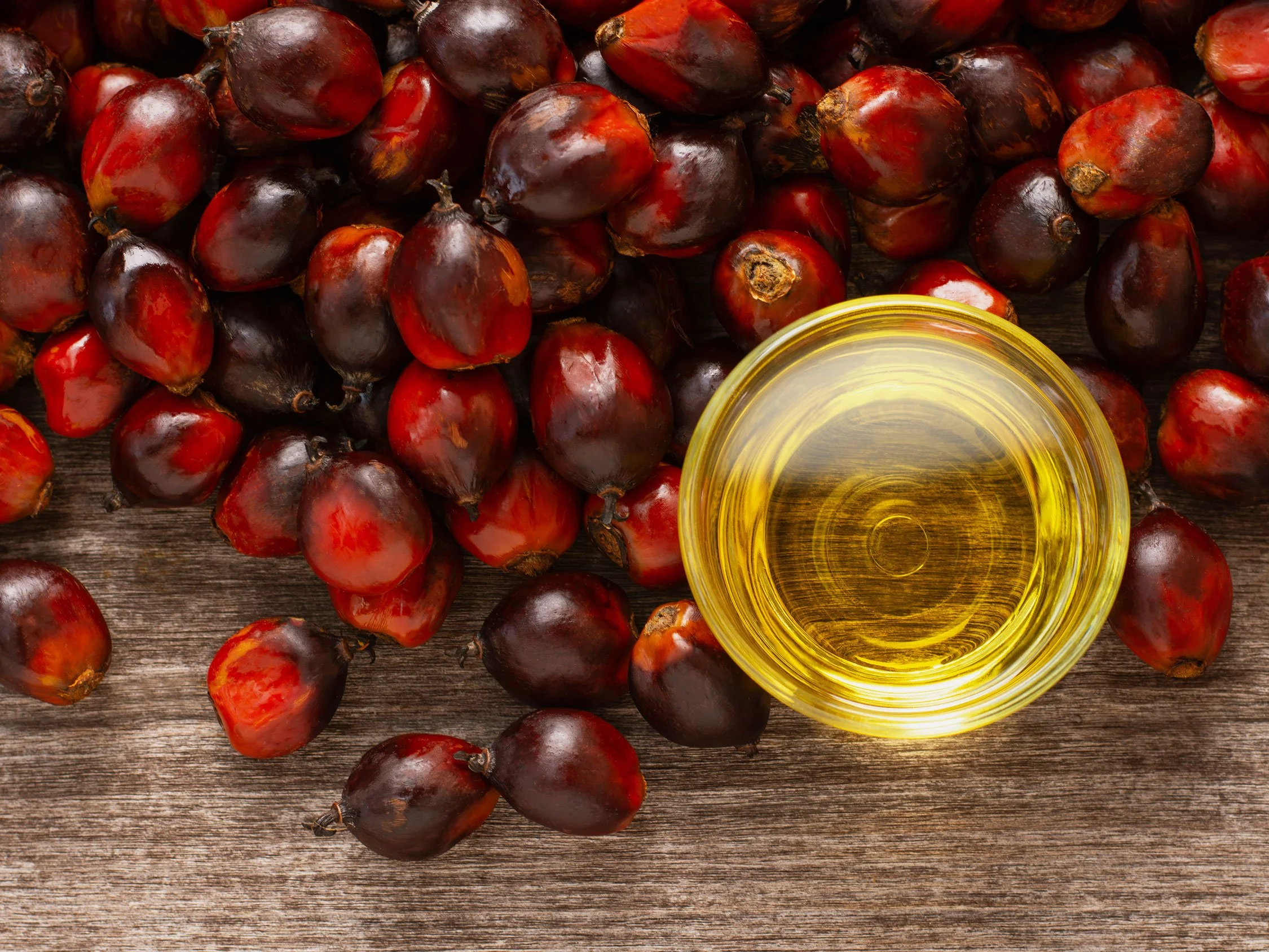
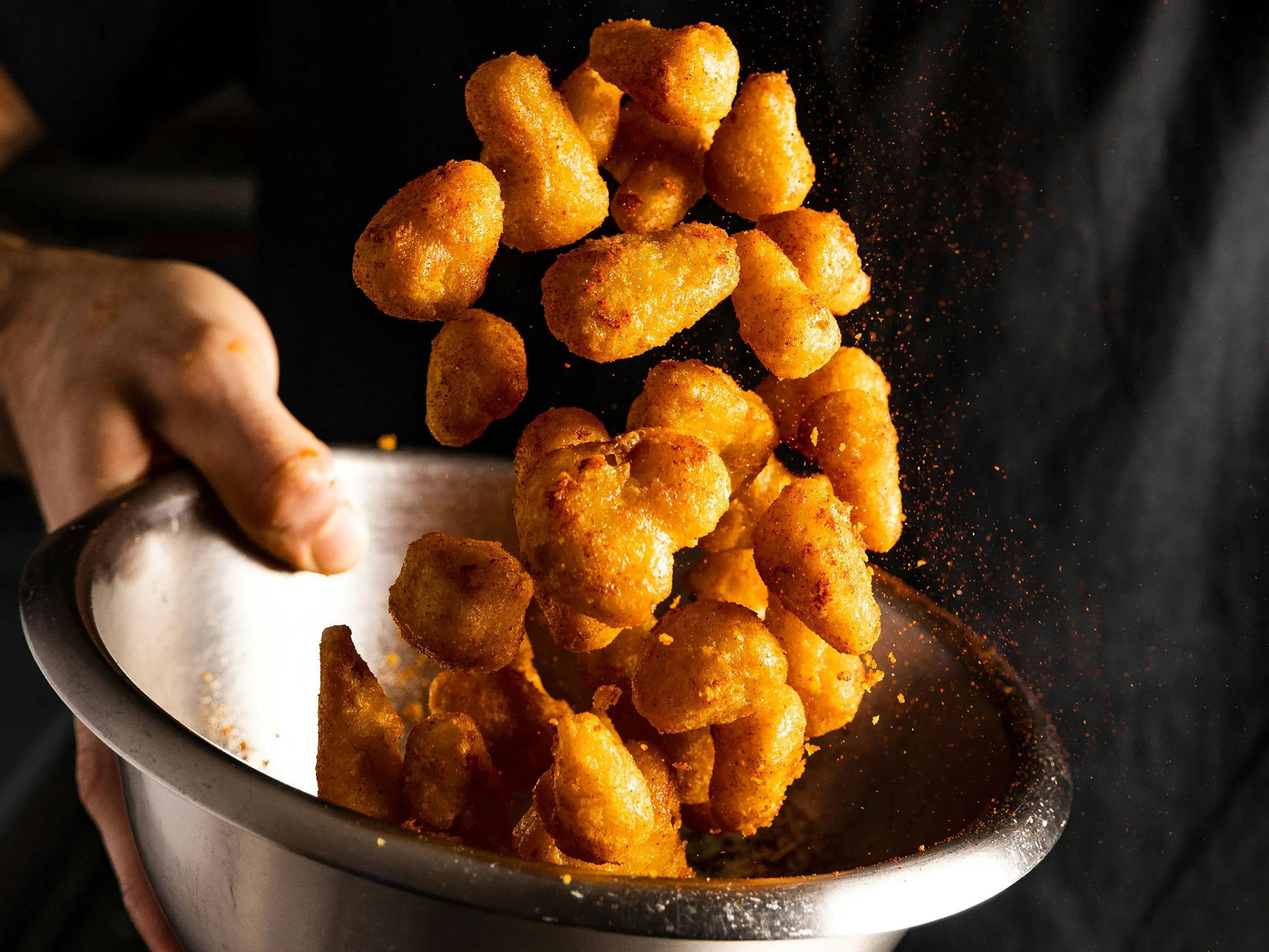
As efforts to eliminate industrially produced trans-fats continue globally, non-partially hydrogenated frying oils are being assessed for both function and health relevance. In this context, palm oil and palm olein are often considered practical and healthier alternatives to partially hydrogenated oils in frying applications.
Why trans-fat matters
Industrial trans-fats are associated with adverse effects on blood lipids and cardiovascular health. A major source is partially hydrogenated vegetable oil, which has historically been used in many food applications to improve texture and stability. Partial hydrogenation differs from complete hydrogenation because only some of the unsaturated fats are converted, making the oil more solid and stable but potentially creating trans fats.
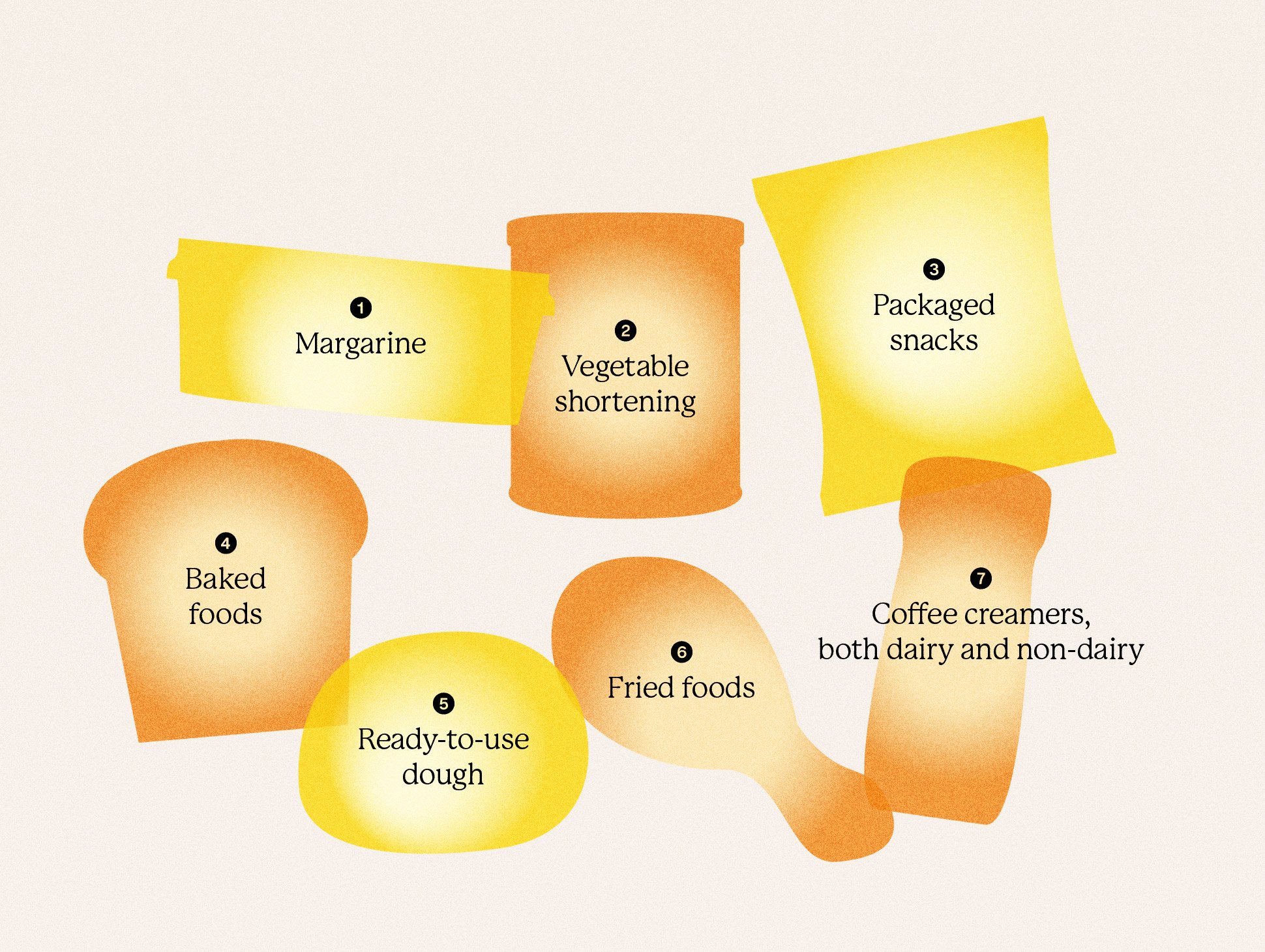
Common Food Applications of Partially Hydrogenated Oils
Why palm oil is relevant in frying
Palm oil contains less linoleic acid than highly polyunsaturated oils, making it less prone to oxidation during frying. Because of its semi-solid nature, palm oil can also be used without hydrogenation. This helps manufacturers avoid the formation of trans-fatty acids, which may be produced when liquid vegetable oils undergo partial hydrogenation.
Palm olein, the liquid fraction of palm oil, has also shown stability during continuous frying operations, making it suitable for large-scale and everyday frying use.
A versatile alternative to partially hydrogenated oils
Palm oil can be separated into different fractions for different food applications. Palm olein (liquid fraction) is commonly used as a cooking and frying oil, while palm stearin (solid fraction) is used in products such as shortenings and margarines. Palm oil can also be blended with other oils to achieve different functional and fatty acid profiles.
Beyond function: nutritional relevance
Palm oil is not only valued for frying performance. It also contains tocopherols and tocotrienols, while crude palm oil is rich in carotenoids. These vitamin E compounds contribute antioxidant value and support the oil’s oxidative stability during frying.
In the context of trans-fat reduction, palm oil and palm olein offer a practical frying alternative that does not rely on chemical modification. Their relevance lies in their stability, versatility, and suitability for food applications where trans-fat-free solutions are increasingly important.
ReferenceDauqan, E. & Halimah, & Abdullah, A. (2011). Vitamin E and Beta Carotene Composition in Four Different Vegetable Oils. American Journal of Applied Sciences. 8. 407-412. 10.3844/ajassp.2011.407.412.
Deffense E., (1985). Fractionation of Palm Oils. Journal of the American Oil Chemists’ Society, 62: 376-385
Mat Dian N.L., Abd Hamid R., Kanagaratnam S., Awg Isa W.R., Mohd Hassim N.A., Ismail N.H., Omar .Z, Mat Sahri M. (2017). Palm oil and palm kernel oil: versatile ingredients for food applications. J Oil Palm Res. 29(4):487–511.
Mihal, J. (2020). Characteristics Of Palm Oil/Palm Olein As Frying Oil. Retrieved 8 April 2020, from https://www.brecorder.com/2020/01/12/561006/characteristics-of-palm-oilpalm-olein-as-frying-oil/
Nishida C., Uauy R., Kumanyika S., Shetty P. (2004). The Joint WHO/ FAO Expert Consultation on diet, nutrition and the prevention of chronic diseases: process, product and policy implications. Public Health Nutr 7, 245S–250S.
Ong A.S.H. , (1994) .Nutritional effects of palm oil: An introductory review. Asia Pacific Journal of Clinical Nutritional , 3: 201-206.
Sundram K., Hayes K.C., Siru O.H. (1995). Both dietary 18:2 and 16:0 may be required to improve the serum LDL/HDL cholesterol ratio in normocholesterolemic men. J Nutr Biochem . 4: 179-187.
Sundram K., Pearlman D., Hayes K.C. (1996) .Increasing the HDL level and HDL/LDL ratio in humans with fat blends. United States of America Patent No. 557 8334.
Sundram, K., Sambanthamurthi, R., Tan, Y.A. (2003). Palm fruit chemistry and nutrition. Asia Pac. J. Clin. Nutr.12, 355–362.
Uauy R., Aro, A., Clarke R., Ghafoorunissa, L’Abbé M.R., Mozaffarian D., Skeaff C.M., Stender S.,Tavella M. (2009). WHO Scientific Update on trans-fatty acids: summary and conclusions. Eur J Clin Nutr63, S68–S75 . https://doi.org/10.1038/ejcn.2009.15
Van Rooyen, J., Esterhuyse A.J., Engelbrecht A.M. , Du Toit E.F. (2008). Health benefits of a natural carotenoid rich oil: A proposed mechanism of protection against ischaemia/ reperfusion injury. Asia Pacific J. Clin. Nutr., 17: 316-319. PMID: 18296367
Voon P., Teng Kim-Tiu, Cheng M., Nesaretnam K. (2012). Palm oil diets do not raise total/HDL-cholesterol compared to a partially hydrogenated vegetable oil diet in rats. Journal of oil palm research. 24. 1562-1565.
Wang, Q., Afshin, A., Yakoob, M. Y., Singh, G. M., Rehm, C. D., Khatibzadeh, S., Micha, R., Shi, P., Mozaffarian, D., & Global Burden of Diseases Nutrition and Chronic Diseases Expert Group (NutriCoDE) (2016). Impact of Nonoptimal Intakes of Saturated, Polyunsaturated, and Trans Fat on Global Burdens of Coronary Heart Disease. Journal of the American Heart Association, 5(1), e002891. https://doi.org/10.1161/JAHA.115.002891
WHO plan to eliminate industrially-produced trans-fatty acids from global food supply. (2020). Retrieved 4 April 2020, from https://www.who.int/news-room/detail/14-05-2018-who-plan-to-eliminate-industrially-produced-trans-fatty-acids-from-global-food-supply
WHO (2003). Diet, Nutrition and the Prevention of Chronic Diseases. Report of a Joint WHO/FAO Expert Consultation. WHO Technical Report Series No. 916. World Health Organization: Geneva
Wijesundera, C. , Logan A. ,Ceccato, C. (2007). Industrially Produced trans Fat in Foods in Australia. Journal of the American Oil Chemists’ Society. 84. 433-442. 10.1007/s11746-007-1053-5.