Palm Olein in Frying: What Comparative Studies Suggest
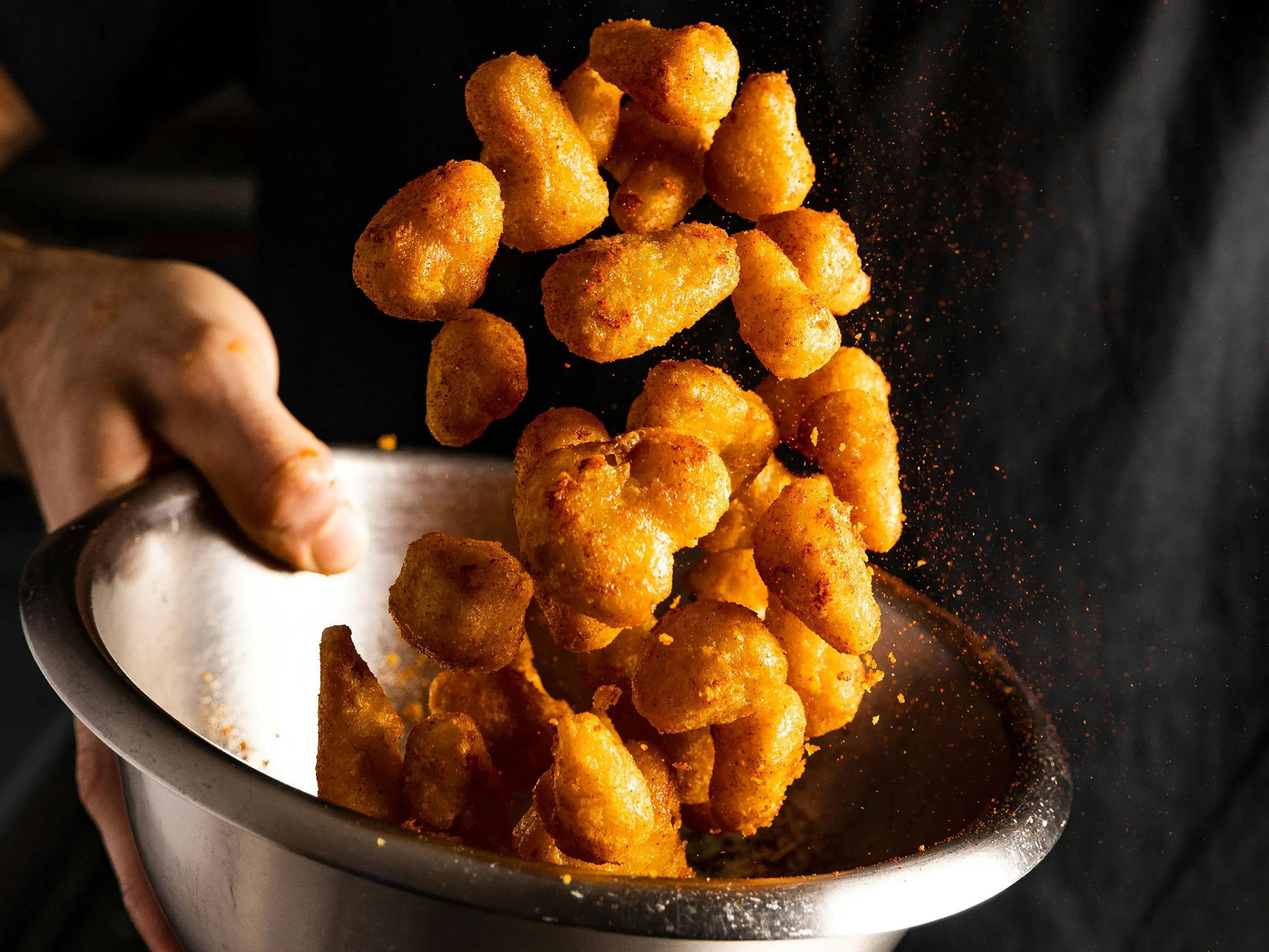
Frying performance depends not only on cooking outcome, but also on how well an oil maintains its stability under heat. Comparative studies on palm olein have examined its performance during repeated frying, both as a blend and against other edible oils, with results indicating its functional and nutritional relevance in frying applications.
Why frying performance matters
Under repeated frying conditions, oils can undergo changes in fatty acid composition and overall quality. Measures such as peroxide value (PV), total polar compounds (TPC), free fatty acids (FFA), and p-anisidine value (p-AV) are commonly used to assess how well an oil performs as frying progresses.
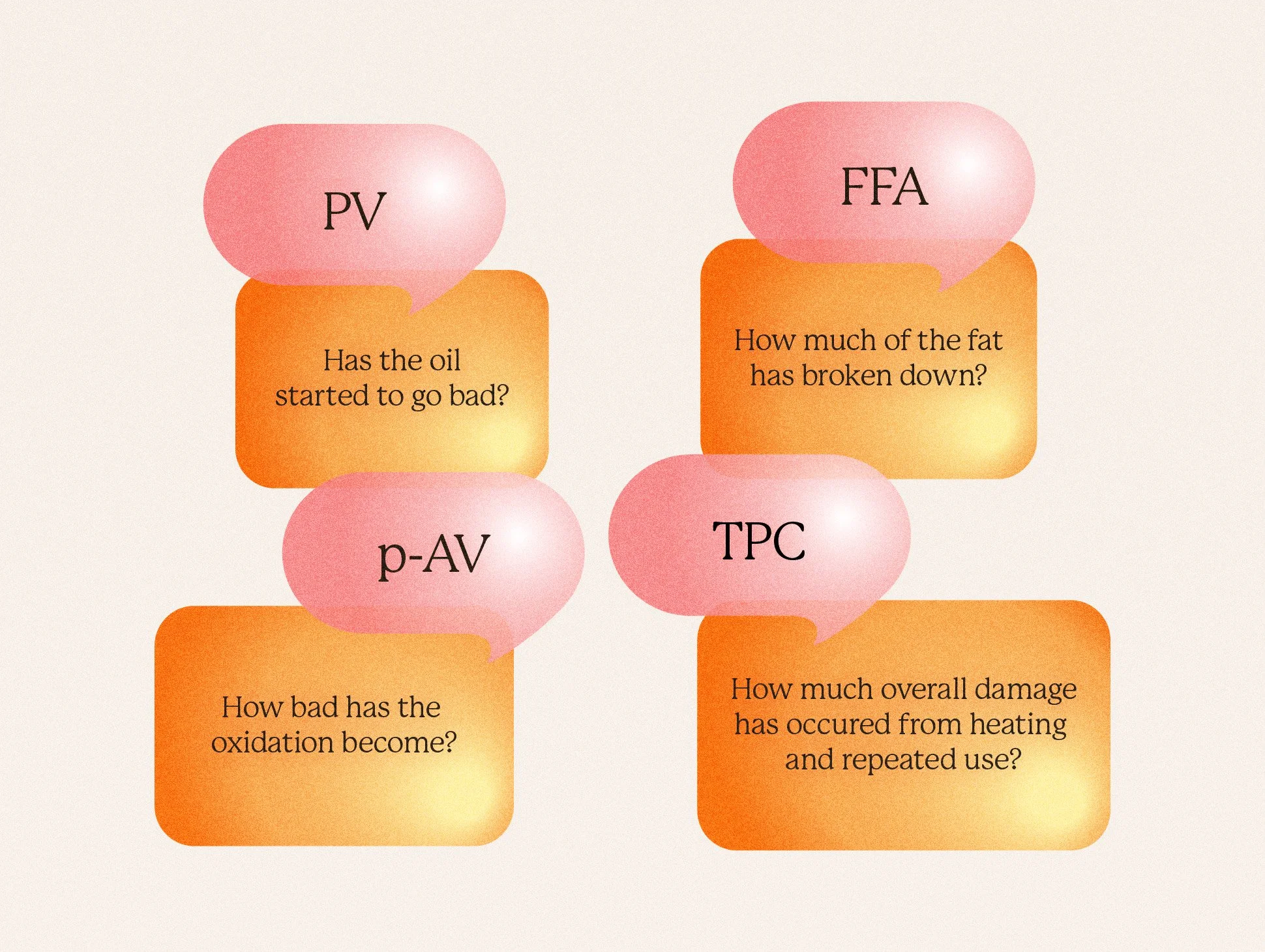
| Value | Measures | Higher values indicate |
|---|---|---|
| PV | Measures the amount of early-stage oxidation products formed when oil starts reacting with oxygen. | A higher PV means the oil has begun to deteriorate and may eventually develop rancid flavours and odours. |
| p-AV | Measures the amount of secondary oxidation products formed after oxidation progresses further. | A higher p-AV indicates the oil has developed oxidation-related off-flavours and off-odours, often associated with rancidity. |
| FFA | Measures the amount of fat molecules that have broken apart from their original structure. | A higher FFA value suggests the oil has undergone deterioration due to moisture, heat, enzymes, or poor storage conditions. |
| TPC | Measures the amount of degraded substances that build up in oil during heating and repeated use. | A higher TPC indicates the oil has broken down significantly and is becoming unsuitable for consumption. |
In this context, oils that retain stability more effectively are generally better able to withstand high frying temperatures without breaking down as quickly.
A palm olein–canola blend in repeated frying
One study assessed a 1:1 blend of palm olein and canola oil during repeated frying of potato chips. The blend showed minimal reductions in omega-3 and omega-6 polyunsaturated fatty acids, while the fatty acid composition of the oil extracted from the product remained similar to that of the frying medium.
The blend also contained a significant amount of tocols, which add nutritional value to the oil. These compounds were retained satisfactorily over the period of oil use, while losses were more pronounced in the individual oils. Overall, the blend performed well across several indicators, including TPC, FFA, and p-AV.
Palm olein compared with soybean oil
A second study compared palm olein and soybean oil during the deep-fat frying of 45 batches of frozen pre-fried French fries. In that comparison, PV increased faster in soybean oil, reaching a final value of 12 meq/kg. Soybean oil also showed greater increases in viscosity, TPC, and p-AV, as well as more noticeable total colour change.
Chromatography analysis also showed a reduction in unsaturated fatty acids, while elaidic and linoelaidic acids — both trans-fatty acids — were present at higher concentrations in degraded soybean oil. Under the conditions of this study, palm olein was more stable than soybean oil and produced French fries with a lower oil content.
What these findings point to
Taken together, these studies suggest that palm olein performs well under frying conditions, whether used in a blend or compared directly with another edible oil. Its frying relevance lies in its ability to maintain stability at high temperatures, while also supporting acceptable oil quality over repeated use.
In blended applications, palm olein can contribute both stability and nutritional quality. In direct comparison with soybean oil, it shows stronger resistance to deterioration under the study conditions.
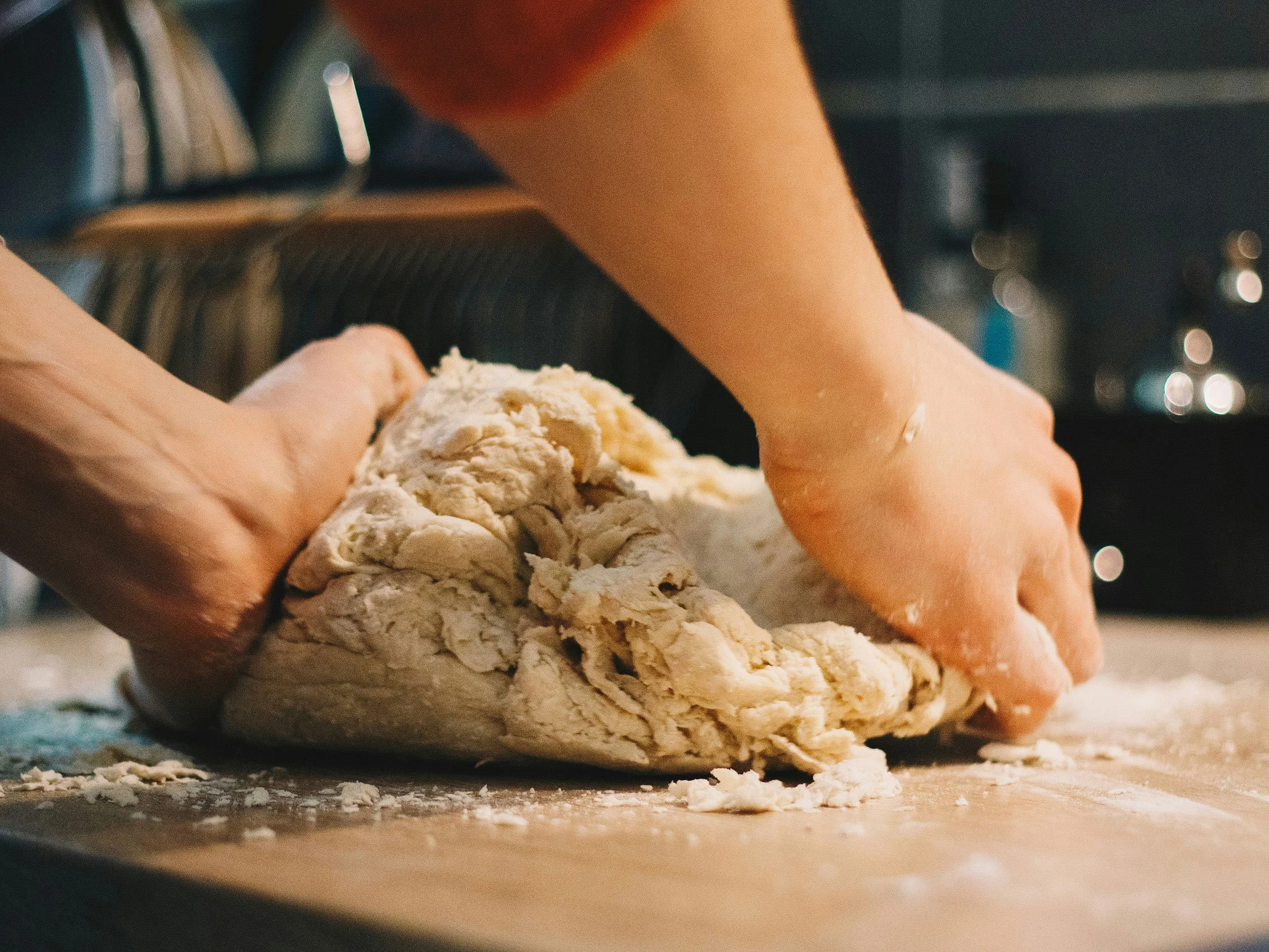
A small amount of red palm oil can help fortify bread with provitamin A carotenoids and vitamin E tocotrienols, while also giving the loaf a natural orange hue. Palm-based margarine can also be used as a plant-based alternative to butter in breads such as brioche, cinnamon rolls, and hot cross buns.
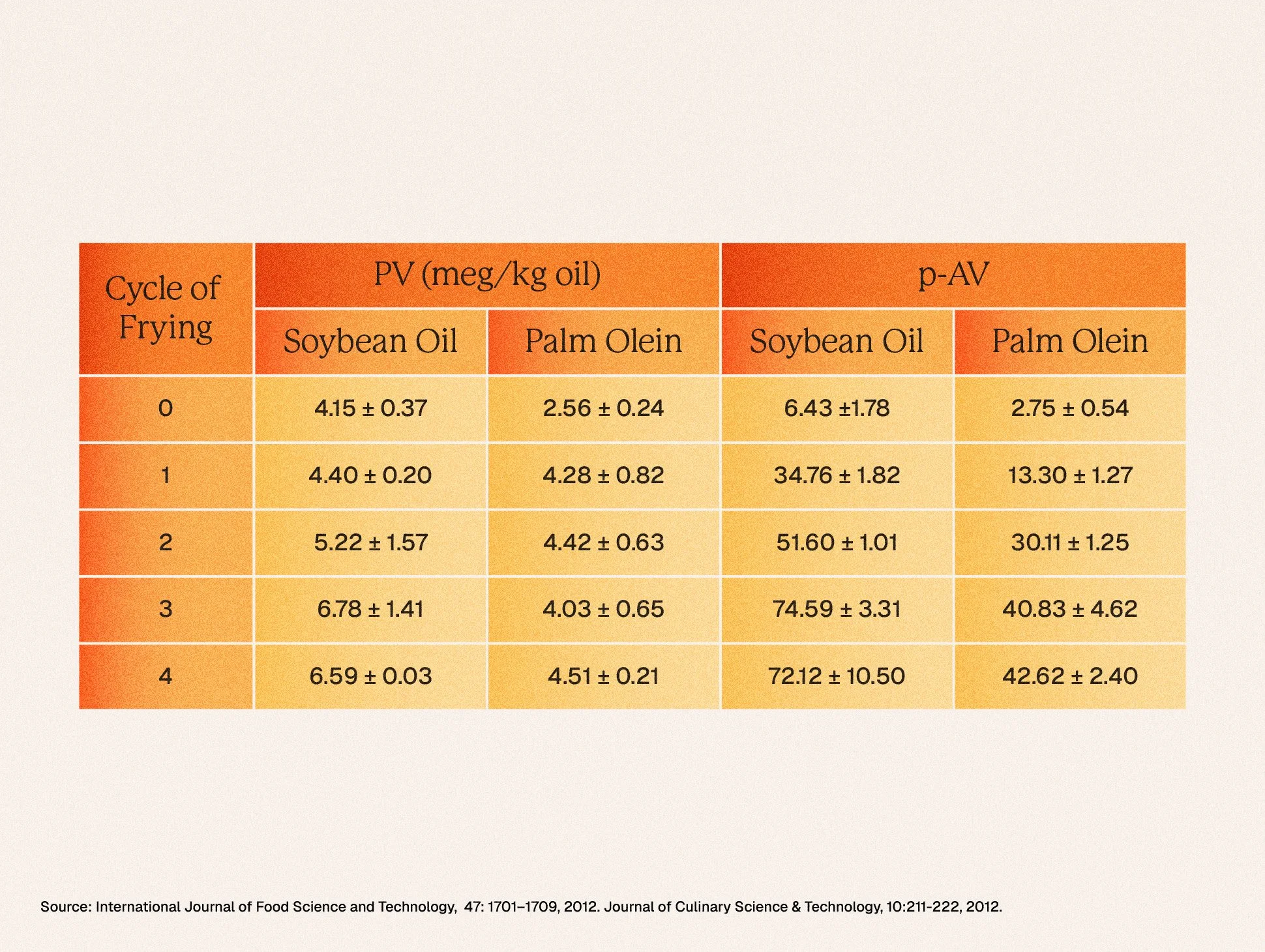
Palm olein is best understood as an oil with strong functional relevance in frying. Across comparative studies, it shows good stability under heat and, in some cases, more favourable performance than other edible oils in maintaining frying quality over time.
SOURCEInternational Journal of Food Science and Technology, 47: 1701–1709, 2012
Journal of Culinary Science & Technology, 10:211-222, 2012