Why Oil Stability Matters in Repeated Frying
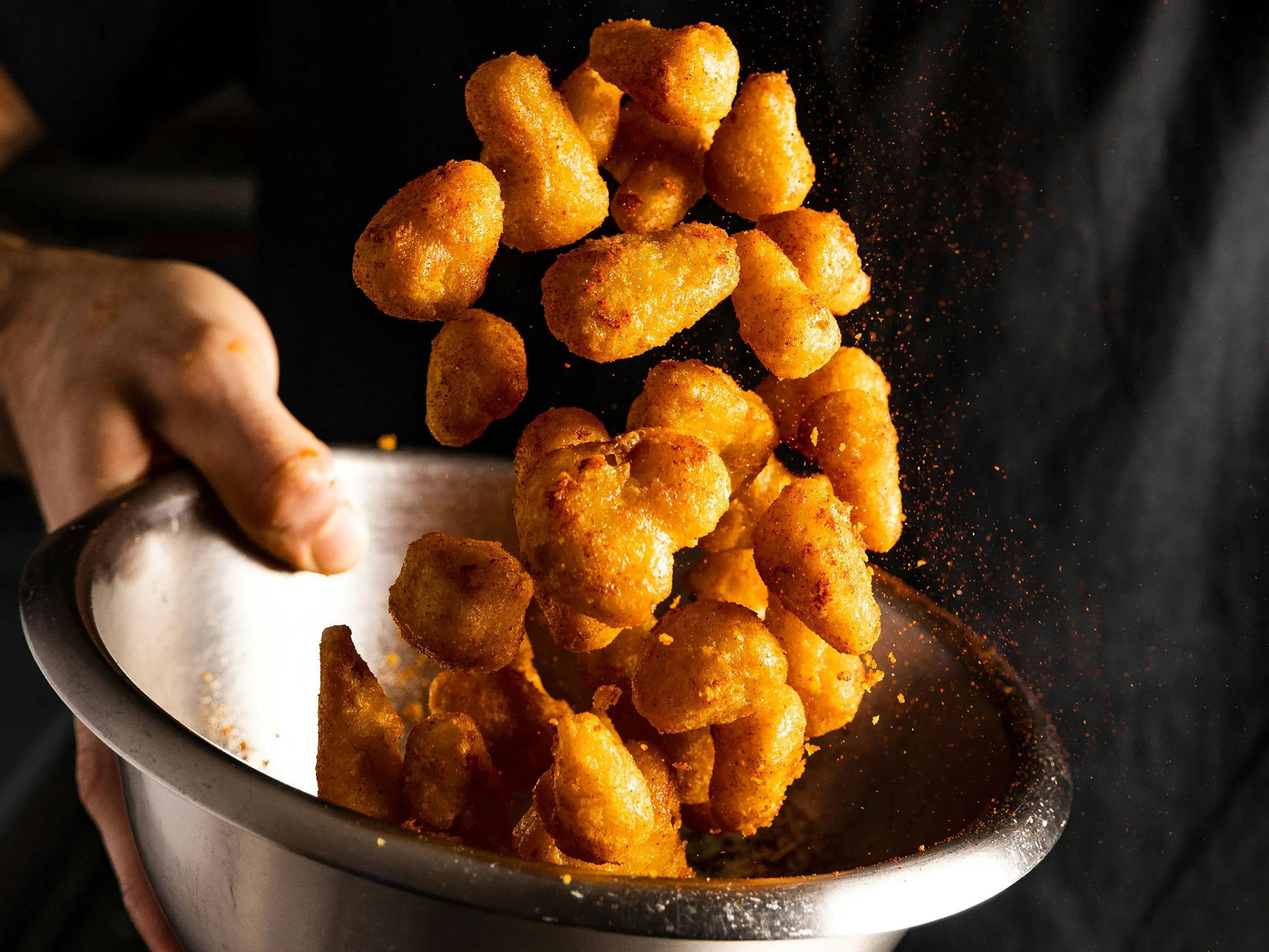
Repeated frying is a common practice in many households and food preparation settings. In this context, oil stability matters, as repeated heating can accelerate oxidation and contribute to the formation of undesirable compounds.
Why oil stability matters
When vegetable oils are reheated at high temperatures, oxidation can occur, leading to rancid odour and flavour as well as the formation of harmful compounds, such as hydroperoxides and aldehydes. These compounds may be absorbed by the food during frying.
Comparing different frying oils
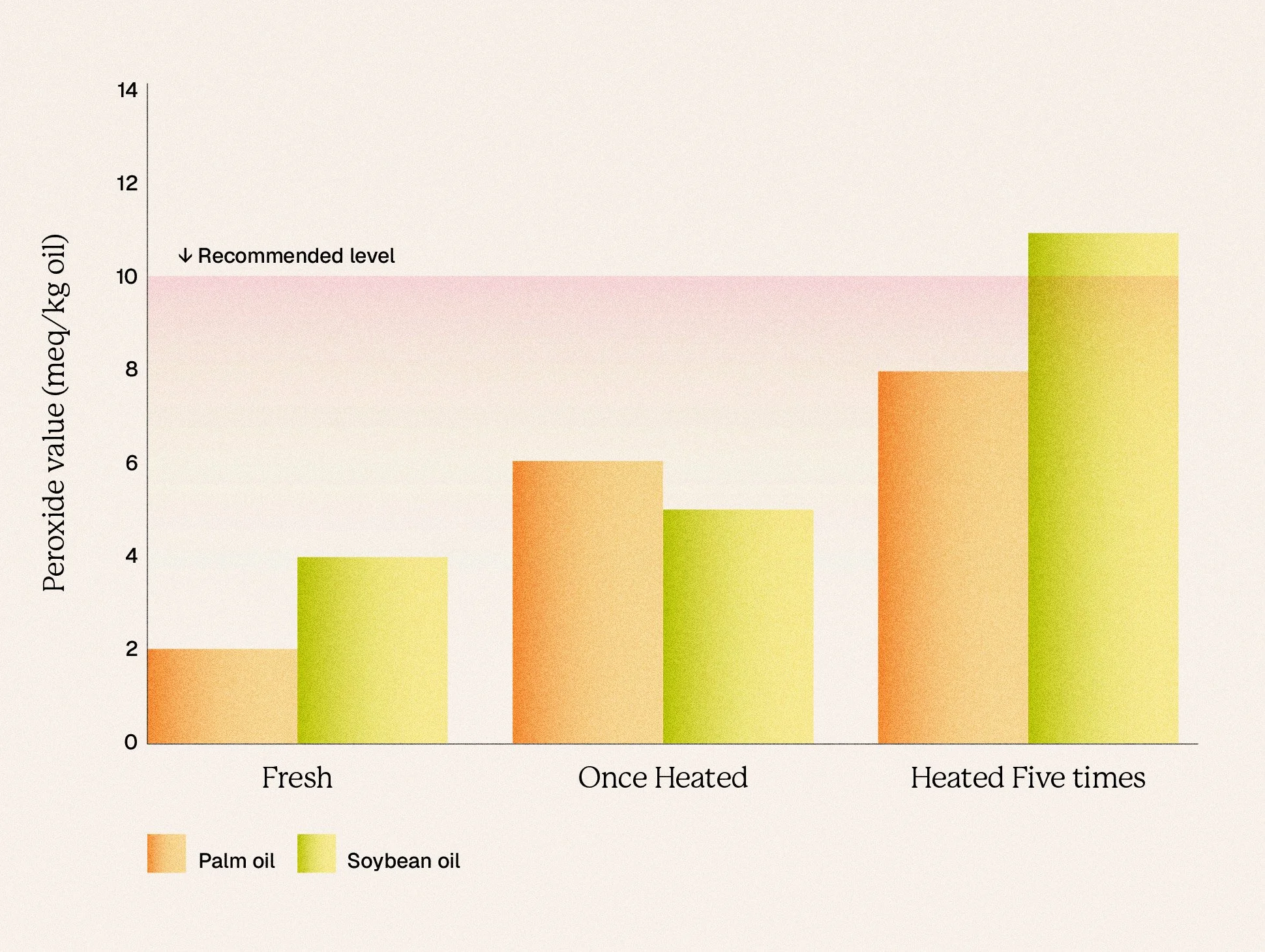
A comparison cited in the article found that after five rounds of heating, palm oil recorded a peroxide value of 8 meq/kg oil, while soybean oil reached 11 meq/kg oil. The maximum allowable peroxide value for edible oils, according to the American Oil Chemists’ Society, is 10 meq/kg oil.
This places palm oil below the threshold, while soybean oil exceeds it, suggesting greater stability under repeated heating.
Why palm oil is more stable
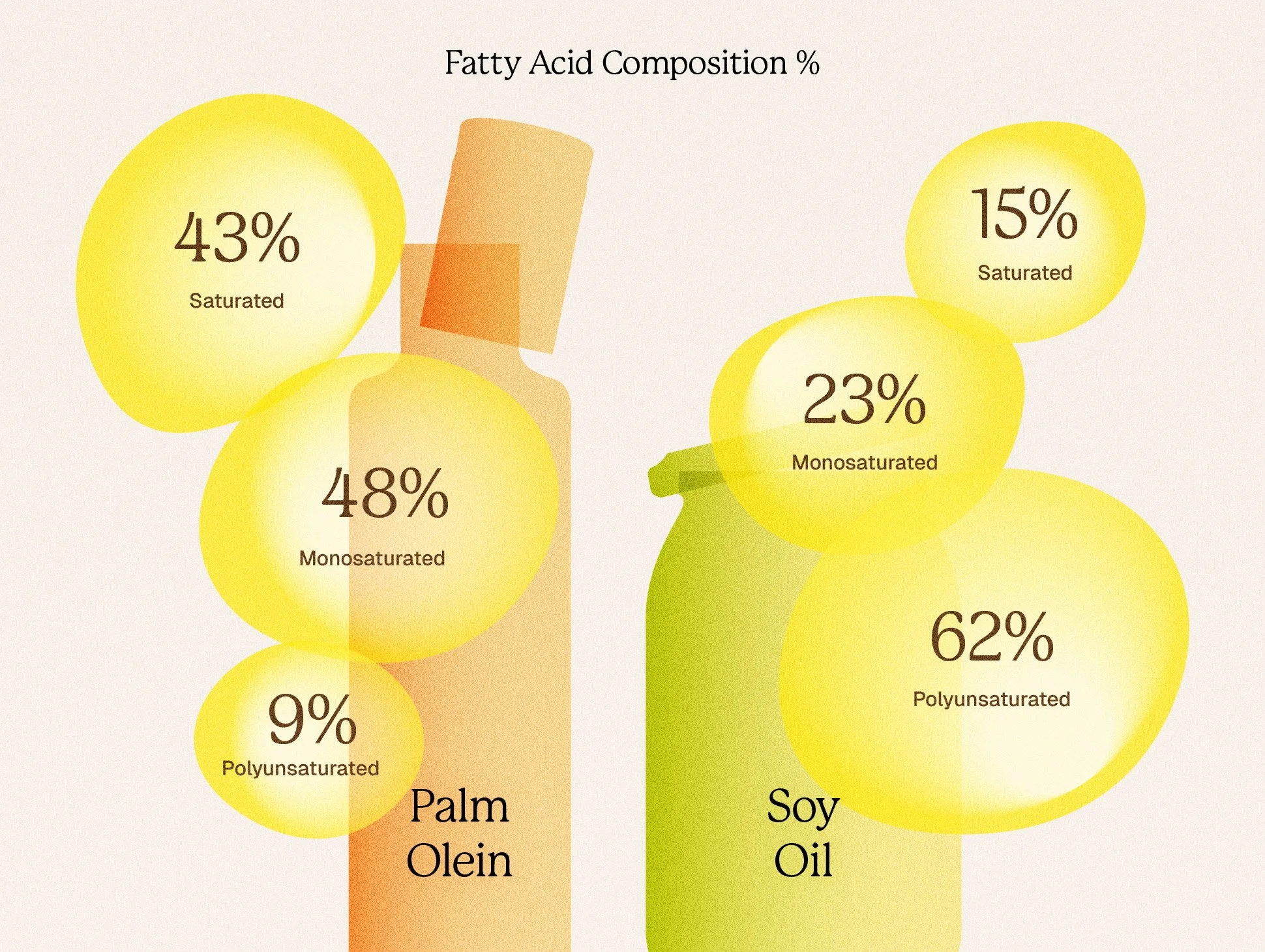
Palm oil’s greater stability is linked in part to its fatty acid composition. Soybean oil contains a higher proportion of polyunsaturated fatty acids, which are more prone to oxidation.
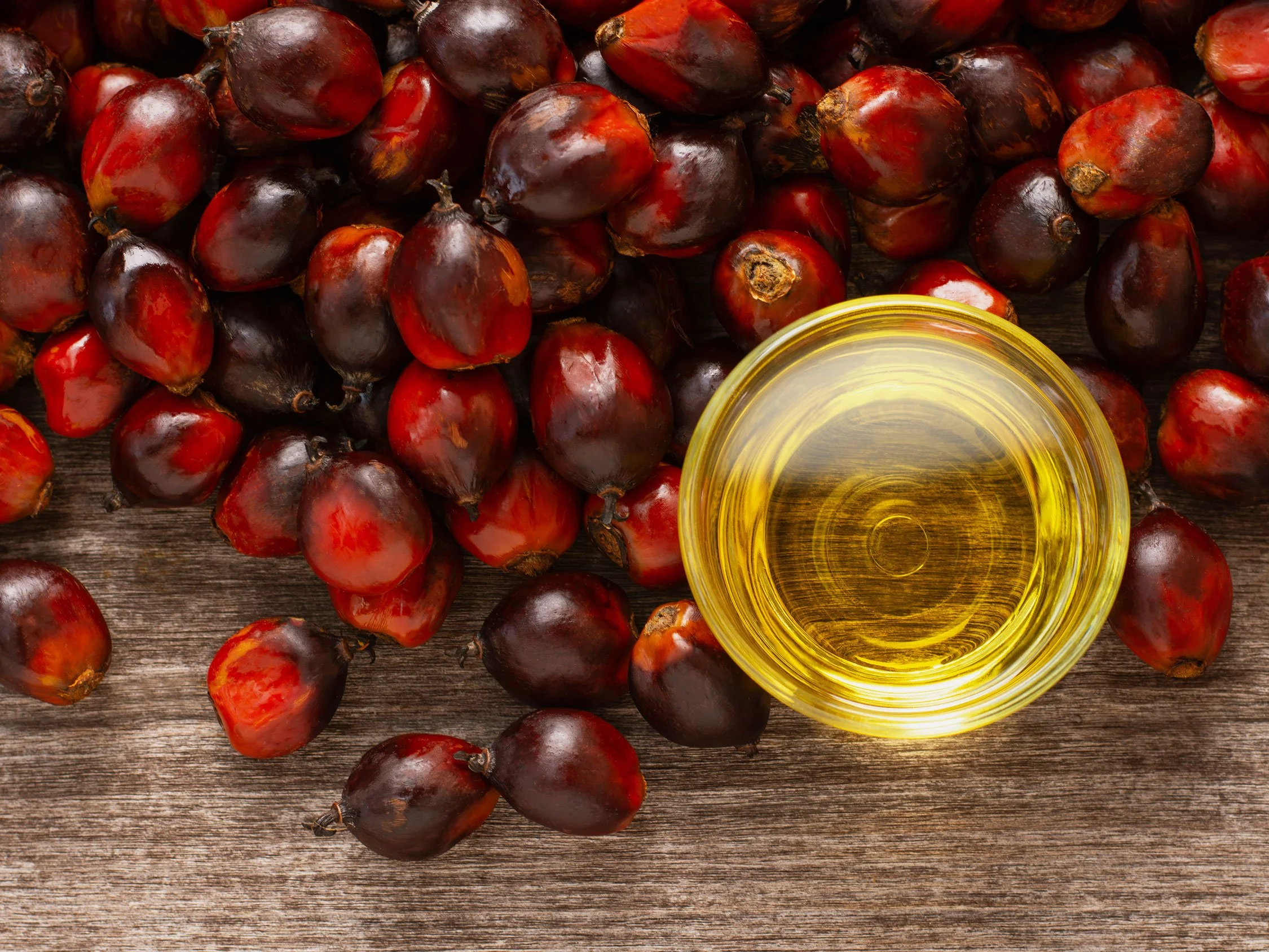
Palm oil also contains naturally occurring antioxidants. Tocotrienols, a type of vitamin E, which are abundant in palm oil, contribute to its resistance to oxidation during repeated frying.
For repeated frying, oil stability is an important consideration. In this context, palm oil emerges as a more oxidation-resistant option than soybean oil, making it a more suitable choice for repeated heating.
ReferenceChoe, E., & Min, D.B. (2007). Chemistry of Deep-Fat Frying Oils. Journal of Food Science, 72(5), R77–R86.
Malaysian Palm Oil Council (MPOC). Palm Oil: The Better Choice for Repeated Frying. Available at: https://www.mpoc.org.my/palm-oil-the-better-choice-for-repeated-frying/
American Oil Chemists' Society (AOCS). Official Methods and Recommended Practices of the AOCS.