Supporting Vitamin A Nutrition in Early Life Through Provitamin A–Rich Edible Oil Sources
Lactation is a nutritionally important stage for both mother and child. Vegetable oils naturally rich in provitamin A carotenoids have attracted scientific interest for their potential role in supporting vitamin A nutrition, breastmilk quality, and early-life development.

Why vitamin A matters during lactation
Vitamin A plays an essential role in vision, immune function, growth, and normal development. During lactation, a mother’s vitamin A status also influences the vitamin A content of her breastmilk.
This makes maternal nutrition especially important in the early stages of life, when breastmilk serves as one of the infant’s primary sources of nourishment.
Breast Milk’s Contribution to Vitamin A Intake Across Early Childhood
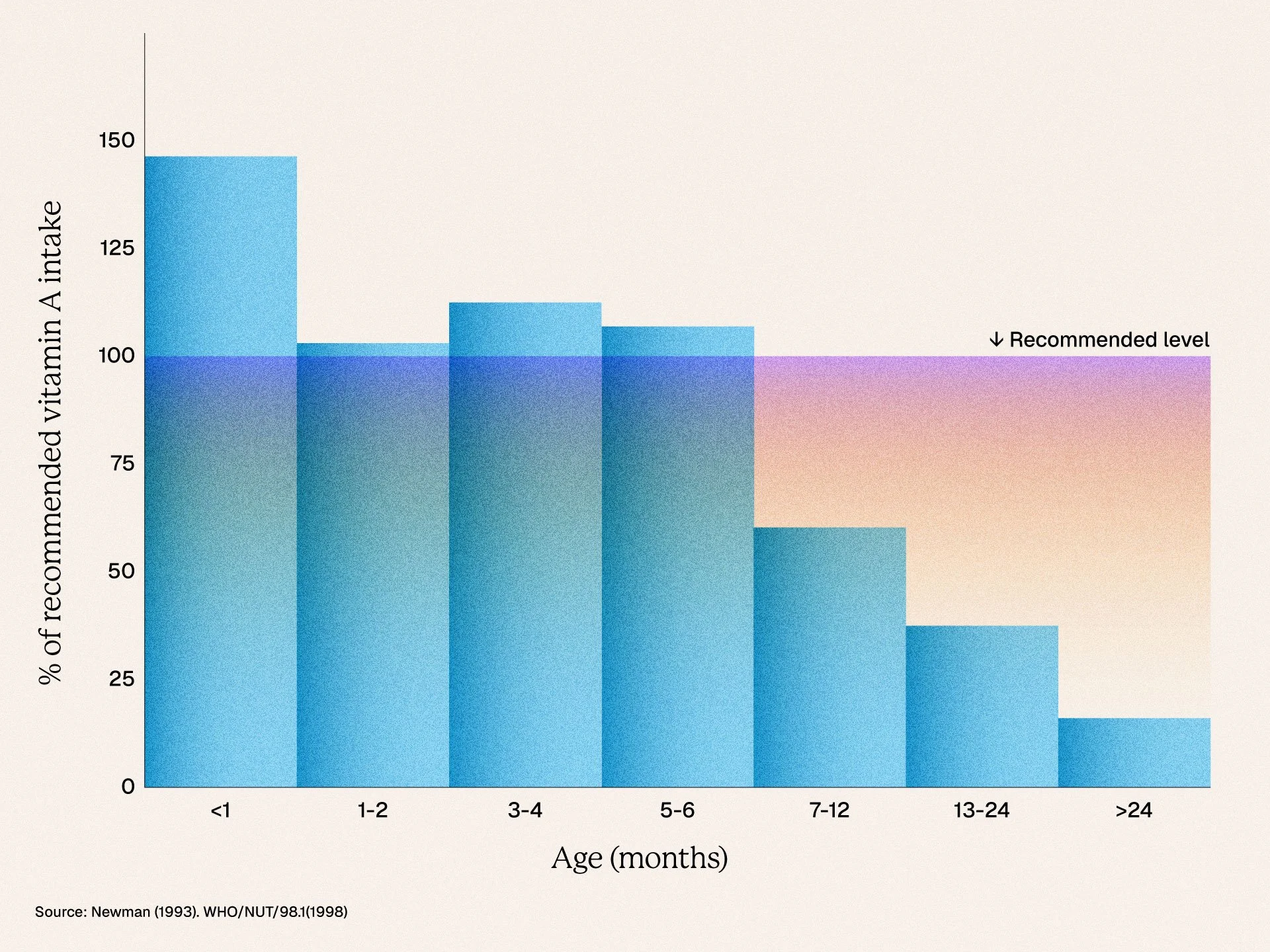
Breast milk plays a major role in vitamin A intake in early infancy.
After six months, complementary foods become increasingly important.
Breast milk continues to contribute meaningfully to vitamin A intake beyond 24 months.
What makes red palm oil distinctive?
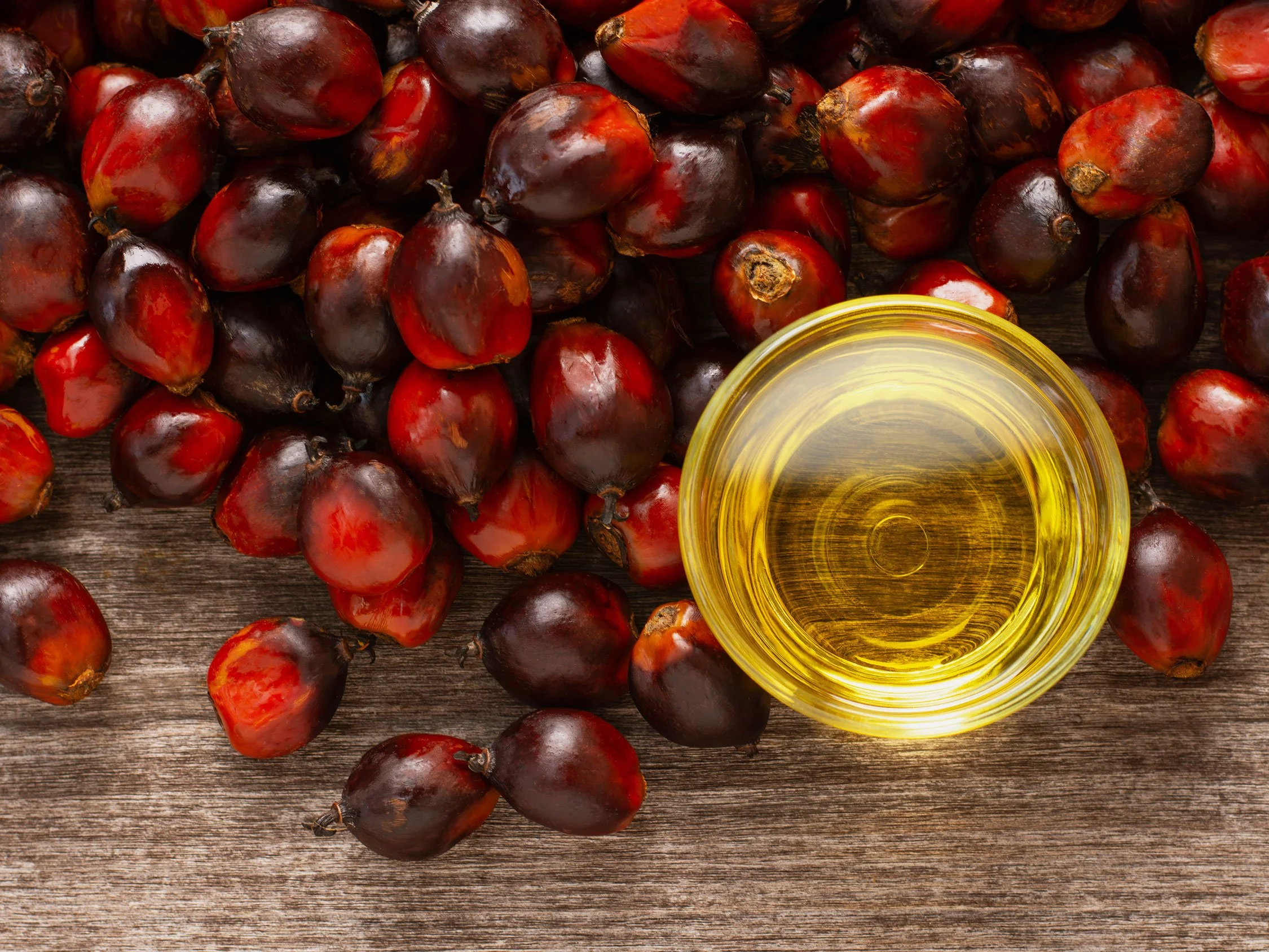
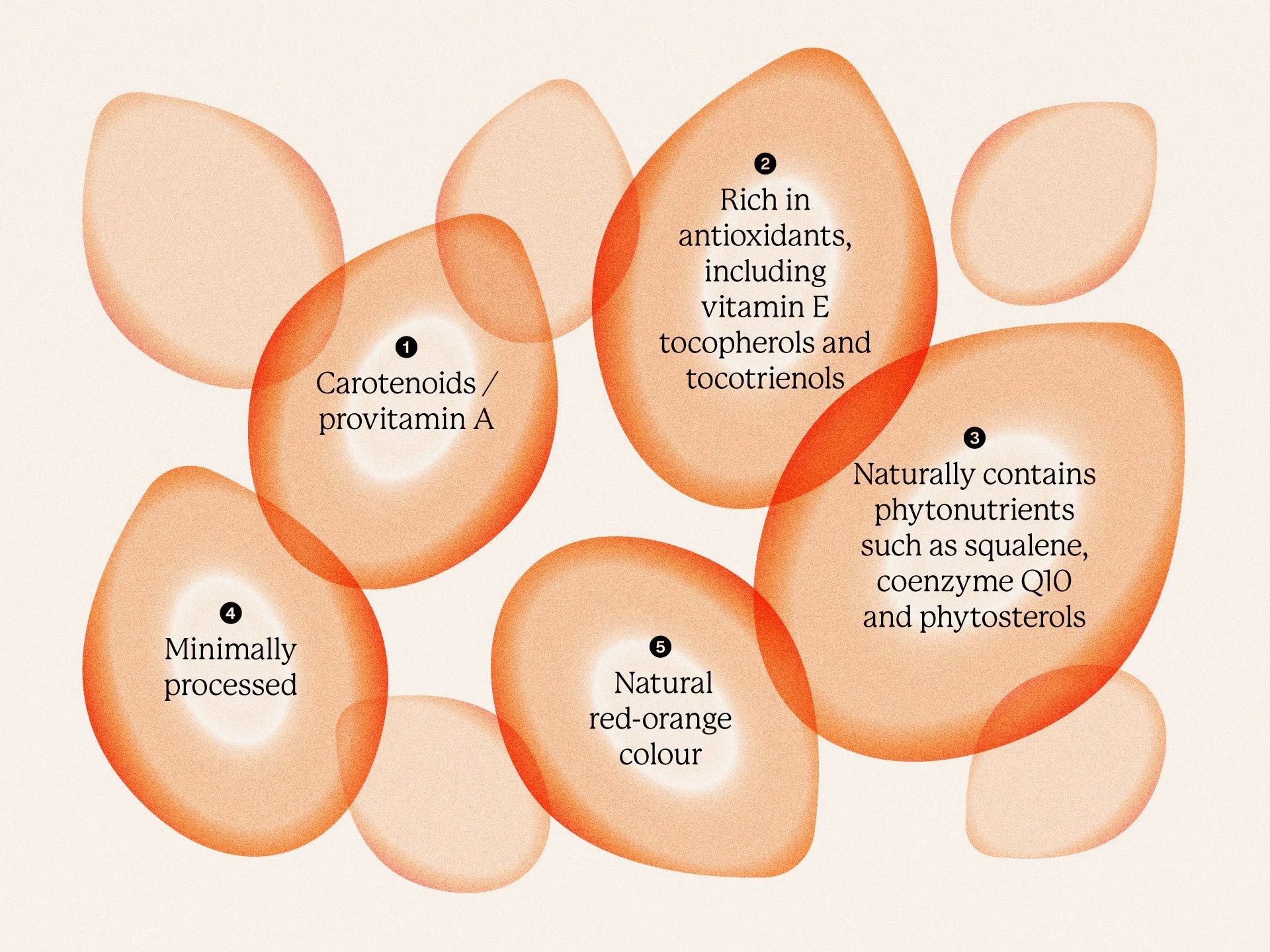
Red palm oil is minimally processed and retains its natural red-orange pigments. These pigments are rich in carotenoids, including provitamin A compounds that the body can convert into vitamin A.
Because of this, red palm oil is often discussed not simply as an edible oil, but as a nutrient-rich food source with particular relevance to vitamin A nutrition.
What makes red palm oil unique?
Its relevance to maternal and infant nutrition
Research has shown that red palm oil may help improve vitamin A status in mothers and increase carotenoid levels in breastmilk. This is significant because breastmilk quality plays an important role in supporting infant growth, immunity, and development.
In contexts where vitamin A intake may be inadequate, red palm oil has therefore been studied as a practical dietary source of provitamin A.
A broader public health perspective
The significance of red palm oil during lactation lies in its connection to a critical stage of early-life nutrition. It offers a useful example of how naturally occurring food compounds can contribute to nutrient sufficiency in a meaningful and accessible way.
Rather than being framed only as a cooking ingredient, red palm oil can also be understood as part of a wider conversation about maternal health, diet quality, and infant nourishment.
Evidence with practical relevance
Existing studies suggest promising potential, particularly in relation to improving provitamin A availability and supporting the nutritional value of breastmilk. While continued research remains important, the current findings point to red palm oil as a notable food-based source of nutrition during lactation.
Red palm oil is best understood as a carotenoid-rich food source with meaningful relevance to maternal and infant nutrition. Its role during lactation highlights how palm-derived phytonutrients can contribute to health not only through basic nourishment, but through targeted nutritional support during key stages of life.